The art of cooking
AI CHEF Blog

Artisanal Plating: Incorporating Handmade Elements into Your Presentation
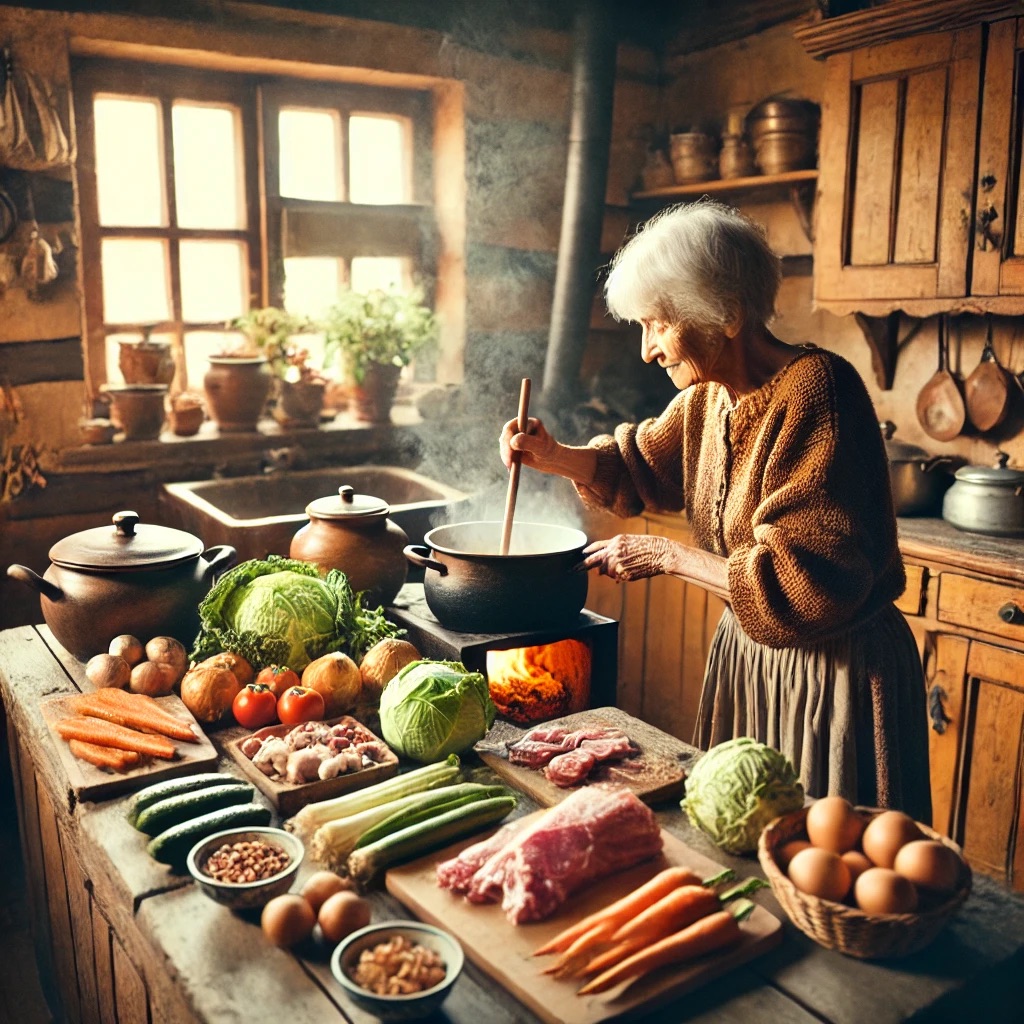
In the world of culinary arts, the visual presentation of food is just as important as the taste. As the saying goes, we eat with our eyes first. In recent years, there has been a shift towards more personalized and artistic food presentations, leading to the rise of artisanal plating. This blog post will explore how you can incorporate handmade elements into your dish presentations, enhancing their aesthetic appeal and making your culinary creations truly memorable.
Understanding Artisanal Plating
Artisanal plating is a technique that emphasizes the craftsmanship and creativity involved in food presentation. Unlike traditional plating methods that often rely on standard practices and uniformity, artisanal plating invites chefs to express their individuality and artistry. It incorporates elements that are handmade, unique, and often reflect a personal story or cultural background. This approach not only elevates the dining experience but also creates a narrative around every dish.
Why Incorporate Handmade Elements?
Using handmade elements in your plating can significantly enhance the overall dining experience. Here are a few reasons why:
- Unique Aesthetic: Handmade items often possess unique textures, shapes, and colors that can add depth and character to your presentation.
- Connection to Craft: Incorporating handmade elements fosters a connection between the chef, the ingredients, and the dining experience, emphasizing the artistry behind cooking.
- Storytelling: Handmade elements can narrate a story about the dish’s origin, the chef’s background, or the cultural significance of the ingredients.
- Environmental Considerations: Opting for handmade, local, or sustainable elements can resonate with diners who prioritize eco-friendly practices.
Ideas for Incorporating Handmade Elements
Here are some creative ways to incorporate handmade elements into your food presentation:
1. Handmade Dishes and Bowls
Start with the foundation of your plating—using handmade dishes or bowls. These can range from rustic stoneware to elegantly crafted ceramics. The imperfections and unique designs of handmade pottery can enhance the visual appeal of your dish, making it stand out on the table.
2. Custom Utensils
Consider using custom or handmade utensils for serving. Wooden spoons, handcrafted knives, or artisanal forks can add a personal touch to your presentation. They can also be a conversation starter, allowing diners to appreciate the artistry that goes into even the smallest details.
3. Natural Elements
Incorporating natural elements such as edible flowers, herbs, or even foraged items can add a handmade feel to your plating. Use fresh herbs as garnishes or edible flowers to add color and vibrancy. These elements not only enhance visual appeal but also create a connection to nature.
4. Handcrafted Garnishes
Experiment with handcrafted garnishes such as sauces, purees, or flavored oils. You can create unique flavor profiles that tie into the overall theme of your dish. For example, a hand-blended herb oil drizzled artistically around the plate can elevate the dish’s presentation while adding a touch of sophistication.
5. Textural Contrasts
Artisanal plating often emphasizes texture. Incorporate handmade elements that provide a contrasting texture, such as crispy shards made from handmade crackers or delicate tuile cookies. These elements not only enhance the aesthetic but also create an engaging eating experience.
6. Seasonal and Local Ingredients
Emphasizing seasonal and local ingredients is a natural fit for artisanal plating. These ingredients can be presented in a way that highlights their freshness and vibrancy. Consider using a handmade basket to display fresh produce or a wooden board for charcuterie. The idea is to celebrate the ingredients’ origins while adding a handmade flair.
Techniques for Artisanal Plating
Once you have your handmade elements, it’s time to consider the techniques you can use for plating:
1. Layering
Layering your ingredients can create depth and visual interest. Start with a base, such as a puree or sauce, and then add your main component. Follow with garnishes and handmade elements to complete the dish.
2. Negative Space
Utilize negative space in your plating to draw attention to the food. Avoid overcrowding the plate; allow the handmade elements to create a frame around the food rather than competing for attention.
3. Height Variation
Create height by stacking or leaning components against each other. This technique adds drama and excitement to the presentation, especially when paired with handmade elements that can provide stability or contrast.
4. Color Coordination
Pay attention to the color palette of your dish. Handmade elements often introduce unique colors; consider how these can complement or contrast with the food. A harmonious color scheme can enhance the overall visual impact.
Showcasing Your Artisanal Plating
Once you’ve mastered the art of artisanal plating, it’s important to showcase your creations effectively. Here are some tips:
1. Lighting
Good lighting can make or break the presentation of your dish. Natural light is ideal, but if that’s not available, consider using soft artificial lighting to highlight the colors and textures of your plated dish.
2. Photography
If you’re sharing your plating on social media or a website, invest time in food photography. Capture the details of your handmade elements and the overall presentation. Experiment with angles and backgrounds to find the most flattering shots.
3. Narrative
When sharing your plated dishes, consider providing a narrative. Explain the inspiration behind the dish, the handmade elements used, or the story of the ingredients. This adds depth to the visual experience and engages your audience.
Conclusion
Artisanal plating is a beautiful way to express creativity and individuality in the culinary world. By incorporating handmade elements into your presentation, you can elevate not just the visual appeal of your dishes but also the overall dining experience. Embrace the artistry behind food plating, and let your creativity shine through each dish you serve. Whether you are a professional chef or a home cook, remember that every plate tells a story, and it’s up to you to share it with the world.


