The art of cooking
AI CHEF Blog

Celebrating Heritage: The Role of Food in Cultural Identity
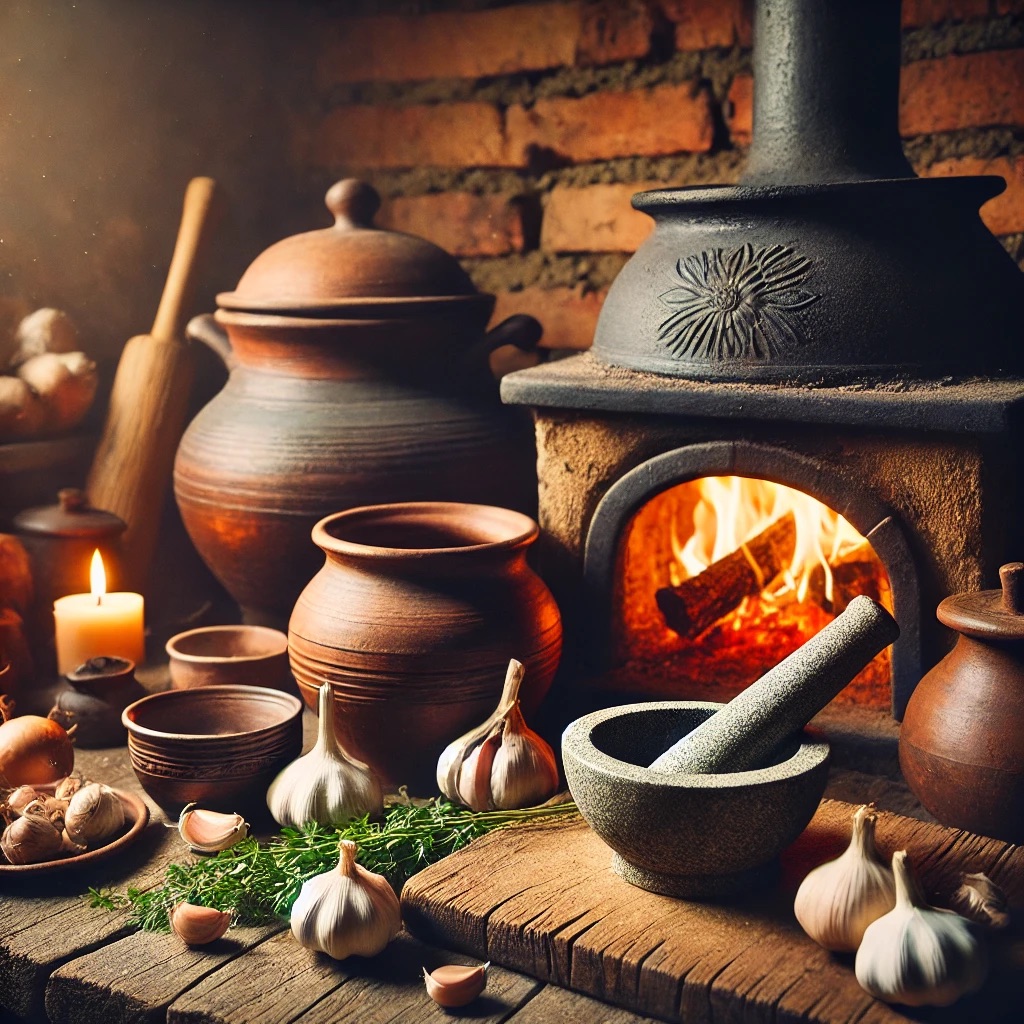
Food is more than just sustenance; it is a powerful vehicle for cultural expression and identity. Each dish we prepare and consume tells a story, often passed down through generations, reflecting the traditions, values, and history of a community. In this blog post, we will explore the intricate relationship between food and cultural identity, examining how culinary practices both celebrate and preserve heritage.
The Language of Food
Food serves as a universal language that transcends barriers, allowing individuals to connect through shared meals, recipes, and cooking methods. For many, the act of cooking or sharing a meal is a way to convey love, tradition, and belonging. For instance, in many cultures, family gatherings revolve around food preparation and consumption, creating a sense of community and continuity.
Food as Cultural Heritage
Every culture has its own unique culinary practices that reflect its history and geographical influences. Traditional recipes often incorporate indigenous ingredients and cooking techniques, which have evolved over time. For example, the use of spices in Indian cuisine not only adds flavor but also showcases the country’s rich history of trade and cultural exchange.
In Italy, regional dishes vary significantly, influenced by local agriculture and climate. The distinctiveness of pasta from different regions, such as the creamy sauces of Northern Italy versus the tomato-based sauces of the South, illustrates how geography shapes culinary identity. These regional variations celebrate the heritage of local communities and foster a sense of pride in one’s roots.
The Role of Festivals and Celebrations
Cultural festivals often center around food, highlighting its significance in cultural identity. Events like Diwali in India, Thanksgiving in the United States, and Eid al-Fitr in Muslim communities are all deeply intertwined with culinary traditions. During these celebrations, families prepare traditional dishes that hold special meanings and memories, reinforcing cultural bonds.
For example, the preparation of traditional sweets during Diwali is not just about the food itself; it symbolizes the victory of light over darkness and the importance of family and community. Similarly, Thanksgiving is a time for families to come together, share a meal, and express gratitude, showcasing the importance of culinary heritage in fostering familial and cultural connections.
Food as Resistance and Resilience
Food can also serve as a form of resistance against cultural assimilation and loss. Communities often hold onto their culinary traditions as a means of asserting their identity in the face of globalization and homogenization. Immigrant communities, in particular, use food to maintain their cultural identity while adapting to new environments.
For instance, the popularity of ethnic restaurants and food markets in urban areas reflects a growing interest in diverse culinary traditions. These spaces not only provide authentic food experiences but also serve as cultural hubs where individuals can connect with their heritage and share it with others. By preserving traditional recipes and cooking methods, these communities safeguard their culinary heritage for future generations.
Modern Interpretations of Traditional Dishes
While traditional recipes hold immense cultural value, the evolution of cuisine is a natural part of cultural identity. Chefs and home cooks alike are continually reinterpreting classic dishes, blending flavors from various cultures to create innovative culinary experiences. This fusion of ingredients and techniques can breathe new life into traditional dishes, making them relevant to contemporary palates.
However, this evolution should be approached with respect and understanding. It is crucial to honor the origins of a dish while embracing creativity. For example, the rise of “fusion cuisine” has sparked discussions about cultural appropriation and the importance of recognizing the roots of culinary practices. Engaging in these conversations can lead to a deeper appreciation for the complex relationship between food and identity.
Food and Memory
Food is intricately linked to memory, evoking emotions and transporting individuals back to significant moments in their lives. The aroma of a family recipe can trigger memories of childhood, celebrations, or gatherings, reinforcing cultural identity. These sensory experiences help individuals maintain a connection to their heritage, even if they are physically distant from their cultural roots.
For instance, the smell of freshly baked bread may remind an individual of their grandmother’s kitchen, serving as a reminder of their cultural background. By preparing and sharing these dishes, individuals can pass down stories and memories, ensuring that their cultural heritage continues to thrive.
Education and Cultural Exchange
Understanding the role of food in cultural identity is essential in fostering a more inclusive society. Culinary education programs and cultural exchange initiatives can promote appreciation for diverse cuisines and the stories behind them. These programs can help individuals recognize that food is not just about taste; it is also about history, culture, and identity.
Cooking classes that focus on traditional recipes or cultural cuisines allow participants to engage with and learn about different cultures. This hands-on experience fosters empathy and understanding, breaking down stereotypes and encouraging dialogue. Food can serve as a bridge, connecting individuals from different backgrounds and promoting cultural exchange.
Conclusion
Food is an integral part of cultural identity, celebrating heritage and fostering connections among individuals and communities. It serves as a language of love, a form of resistance, and a vessel for memory. As we navigate an increasingly globalized world, it is essential to honor and preserve our culinary traditions while embracing the evolution of cuisine.
By celebrating food as a vital aspect of cultural identity, we can deepen our understanding of the rich tapestry of human experience. Let us cherish the stories behind our meals, share our culinary heritage with others, and recognize the power of food in shaping who we are.


