The art of cooking
AI CHEF Blog

Food as Art: The Aesthetic Value of Culinary Traditions
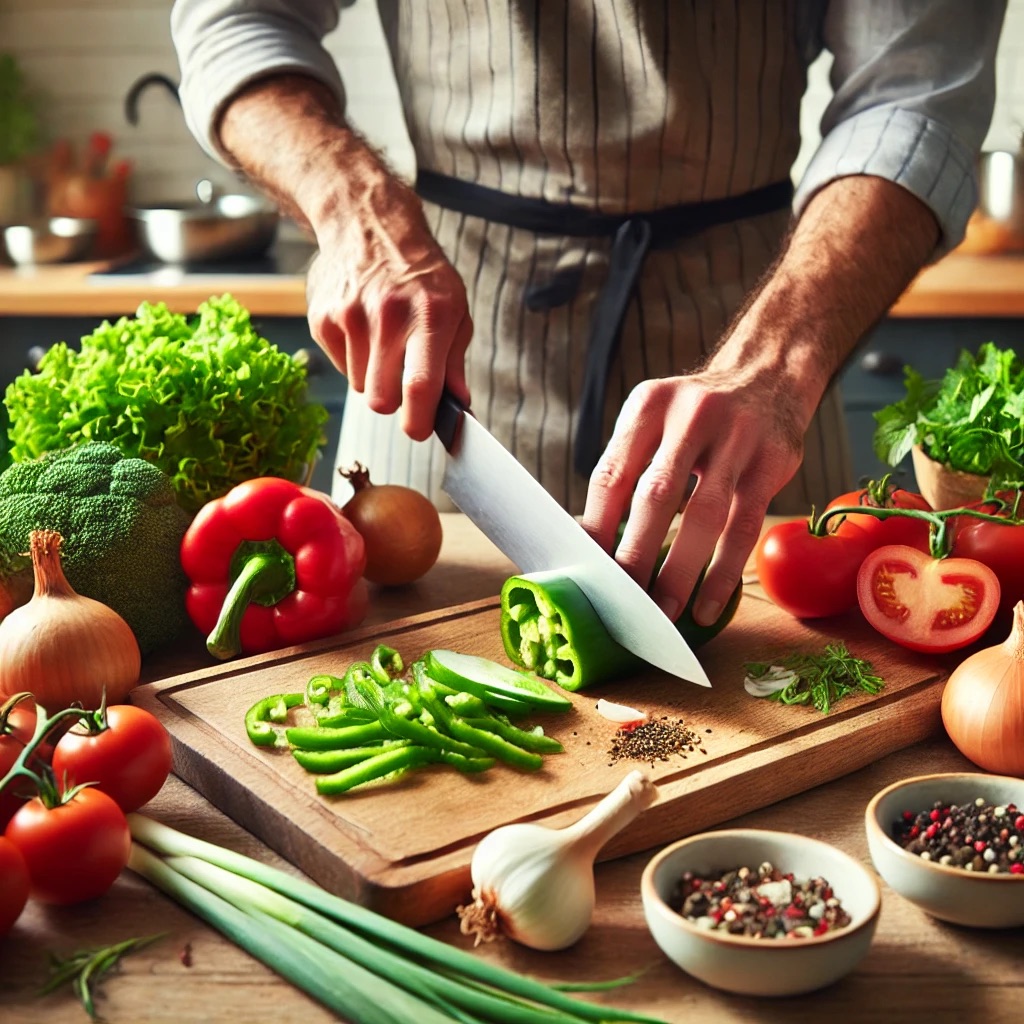
Food has long been a fundamental part of human culture, serving not just as a means of sustenance but also as a medium of expression and creativity. Culinary traditions around the world are rich in history and artistry, reflecting the cultural values, social dynamics, and historical narratives of the communities that created them. In this blog post, we will explore the aesthetic value of food, examining how culinary practices can be appreciated as art forms in their own right.
The Intersection of Food and Art
At its core, art is about expression. It communicates ideas, emotions, and experiences through various forms. Similarly, food communicates cultural identity, tradition, and creativity. The presentation of food can evoke emotions, tell stories, and create connections, much like visual arts or music. When we think of the aesthetic aspects of food, we can consider several key elements: color, texture, composition, and flavor.
Color: The Palette of Culinary Arts
Color plays a significant role in the visual appeal of food. A well-plated dish with contrasting colors can be incredibly inviting and stimulating. Culinary artists use vibrant ingredients to create a feast for the eyes as much as for the palate. For instance, a traditional Thai dish might incorporate a diverse array of colors from fresh herbs, vegetables, and spices, each adding not just flavor but also visual intrigue. The use of color can also indicate freshness and quality, contributing to the overall dining experience.
Texture: The Art of Mouthfeel
The texture of food also adds to its aesthetic value. The crunchy exterior of a perfectly fried spring roll, the creamy richness of a well-made risotto, or the delicate flakiness of a pastry all contribute to the sensory experience of eating. Chefs often combine various textures in a single dish to create a more dynamic experience. For example, a salad might combine crispy greens, crunchy nuts, and creamy dressings to engage multiple senses, making the dish more enjoyable.
Composition: Plating as a Canvas
Plating is where culinary art truly shines. The arrangement of food on a plate is akin to an artist’s brush strokes on a canvas. Chefs often spend considerable time perfecting the composition of a dish, considering the balance of colors, shapes, and sizes. The strategic placement of elements can guide the diner's eye and create a sense of harmony or contrast. For instance, fine dining establishments often take great care in how they present each dish, transforming a simple meal into a work of art that tells a story.
Flavor: The Symphony of Tastes
While visual appeal is important, the taste of food is paramount. The combination of flavors can be compared to the harmony found in music. Just as a symphony brings together different instruments to create a cohesive sound, a well-crafted dish harmonizes various flavors to create a memorable experience. Culinary traditions often rely on unique combinations of spices, herbs, and ingredients that have been passed down through generations, reflecting the cultural heritage of the region.
Culinary Traditions as Cultural Artifacts
Culinary traditions are more than just recipes; they are cultural artifacts that encapsulate the history and values of a society. For example, the intricate art of sushi-making in Japan is not just about the food itself but also about the philosophy of balance, precision, and respect for ingredients. Similarly, the preparation of traditional dishes like Italian risotto involves a deep understanding of regional ingredients and techniques that have been refined over centuries.
The Role of Storytelling in Food
Every dish has a story to tell. Food can evoke memories, connect generations, and preserve cultural heritage. Many culinary traditions are steeped in history, often reflecting the socio-political context of their time. For instance, the use of spices in Indian cuisine can be traced back to ancient trade routes, illustrating the fusion of cultures and the exchange of ideas. When we share a meal, we often share stories, making food a powerful medium for storytelling and connection.
Global Perspectives on Culinary Art
Culinary art varies significantly across cultures, each bringing its unique aesthetic values and traditions to the table. In France, the meticulous attention to detail in pastry-making is seen as a high art form, while in Mexico, vibrant street food showcases a blend of flavors and colors that celebrate local ingredients. In each case, food is not just about taste; it encapsulates the essence of the culture, the environment, and the people.
The Future of Culinary Art
As we move into the future, the aesthetic value of food continues to evolve. Modern chefs are experimenting with new techniques, such as molecular gastronomy, to create unexpected textures and flavors that challenge traditional culinary norms. Social media platforms have also transformed the way we perceive food, with visually stunning dishes becoming a form of art that can be shared and appreciated globally. This democratization of food art allows for greater creativity and cross-cultural exchange, enriching our culinary experiences.
Conclusion
Food is undoubtedly an art form, rich with aesthetic value that transcends mere sustenance. It embodies culture, tradition, and creativity, making it a unique medium for expression. By appreciating the artistry in culinary traditions, we can gain a deeper understanding of the world around us and celebrate the diverse tapestry of human experience. So, the next time you sit down to a meal, take a moment to appreciate the artistry on your plate – it’s more than just food; it’s a celebration of culture, creativity, and connection.


