The art of cooking
AI CHEF Blog

Food and Family: The Heart of Cultural Celebrations
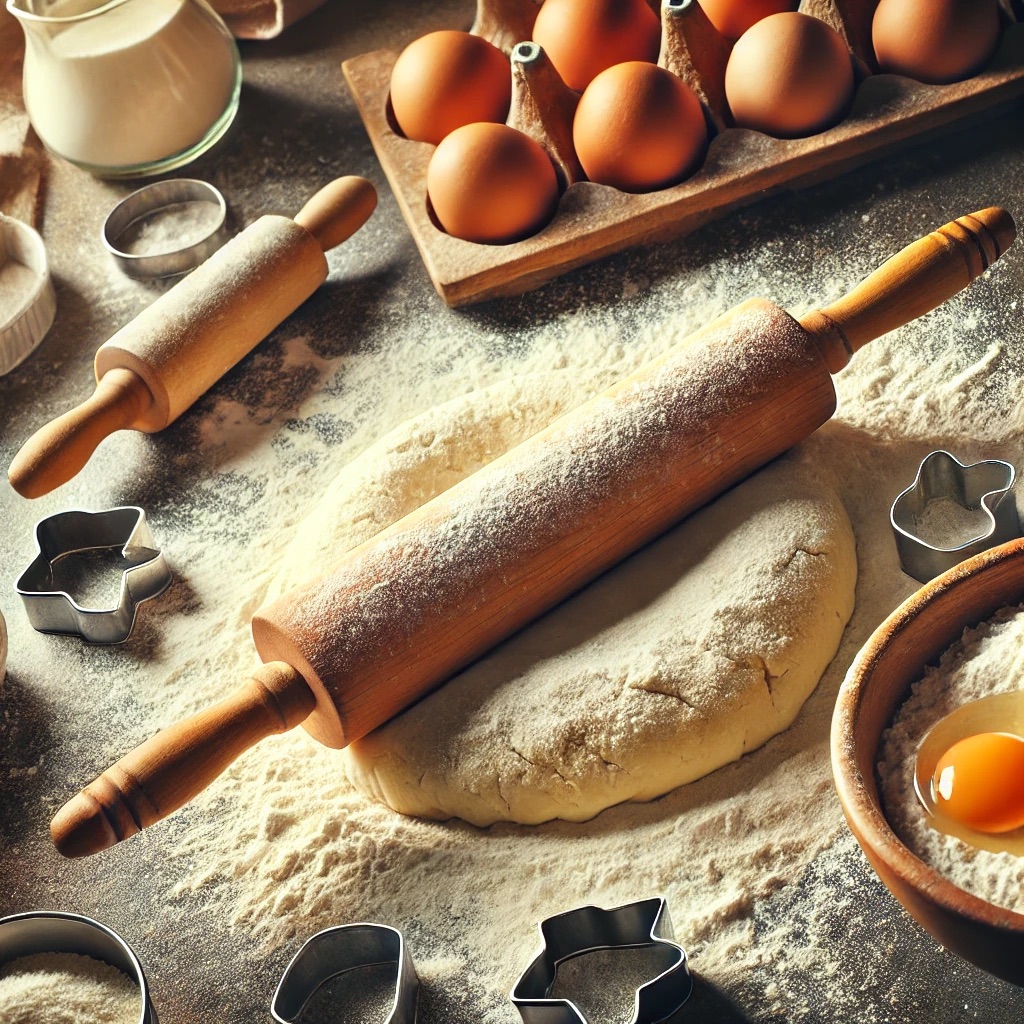
Throughout history, food has played a significant role in cultural celebrations, serving as a vital link between generations and fostering a sense of belonging. For many families, cooking together and sharing meals during festive occasions is a cherished tradition that strengthens bonds and creates lasting memories.
The Role of Food in Cultural Identity
Food is more than just sustenance; it is an expression of cultural identity. Different regions boast unique culinary practices and dishes that reflect their history, geography, and values. For example, Italian families often gather around the table for large family meals, featuring homemade pasta and sauces passed down through generations. In contrast, Mexican families celebrate with vibrant dishes like tamales and mole, symbolizing their rich heritage and traditions.
These culinary practices are often steeped in stories that connect families to their ancestry. Recipes are frequently passed down verbally or through handwritten notes, preserving not just the flavors but also the memories associated with them. This is particularly evident during cultural celebrations, where food serves as a medium for storytelling, allowing families to share their history and experiences.
Celebrations Around the World
Across the globe, various cultural celebrations highlight the importance of food and family. Whether it’s a religious holiday, a seasonal festival, or a family reunion, the meals prepared during these events hold special significance.
Thanksgiving in the United States
In the United States, Thanksgiving is a quintessential family holiday centered around food. Families come together to share a feast that typically includes turkey, stuffing, cranberry sauce, and pumpkin pie. Each dish has its own significance, and recipes are often family secrets passed down through generations. The act of gathering around the table allows families to express gratitude and reflect on their blessings, reinforcing familial bonds.
Diwali in India
Diwali, the festival of lights, is another celebration where food plays a central role. Families prepare a variety of sweets and savory dishes to share with loved ones and neighbors. The act of cooking and sharing food during Diwali symbolizes the triumph of light over darkness and good over evil, emphasizing the importance of family togetherness.
Chinese New Year
Chinese New Year is marked by elaborate feasts that bring families together. Traditional dishes, such as dumplings and fish, are prepared to symbolize prosperity and unity. The reunion dinner on New Year’s Eve is particularly significant, as family members often travel long distances to gather, reinforcing the idea that food and family are intertwined in cultural celebrations.
The Emotional Connection to Food
Food has an incredible ability to evoke emotions and memories. The aroma of a dish can transport individuals back to their childhood, reminding them of family gatherings and celebrations. This emotional connection to food is a powerful aspect of cultural celebrations, as it allows families to bond over shared experiences.
For many, the act of cooking together is a way to connect with family members and pass down traditions. Grandparents often teach their grandchildren how to prepare family recipes, instilling a sense of pride and continuity. These moments in the kitchen are not just about making food; they are about passing on cultural heritage and values.
The Impact of Modernization
In today’s fast-paced world, the significance of food and family in cultural celebrations is being challenged by modernization. With busy lifestyles and the convenience of fast food, traditional cooking practices are sometimes overlooked. However, many families are finding ways to adapt while still honoring their cultural traditions.
Some families have embraced technology by sharing recipes and cooking tutorials online, allowing them to stay connected with distant relatives and maintain their culinary heritage. Others have taken it upon themselves to organize family cooking days, where everyone comes together to prepare traditional dishes, ensuring that the essence of food and family remains alive.
Creating New Traditions
As families evolve, so do their traditions. While it’s important to honor cultural heritage, it’s equally essential to create new traditions that reflect the current family dynamic. This could include merging culinary practices from different cultures, experimenting with fusion cuisines, or even incorporating modern dietary preferences.
For instance, a family with diverse cultural backgrounds might choose to celebrate a holiday by preparing a meal that includes dishes from each culture, fostering unity and understanding. These new traditions can serve as a bridge between generations, allowing families to celebrate their uniqueness while embracing their shared love for food.
Conclusion
Food and family are at the heart of cultural celebrations, serving as a powerful reminder of our roots and connections. The meals we prepare and share during these occasions are more than just food; they are a reflection of our identities, values, and memories. By embracing and preserving these culinary traditions, families can continue to celebrate their heritage while creating new memories for future generations.
As we gather around the table for our next celebration, let us remember the significance of the food we share and the bonds we strengthen. It is in these moments that we truly experience the heart of cultural celebrations.


