The art of cooking
AI CHEF Blog

Breaking Bread: The Universal Tradition of Sharing Meals
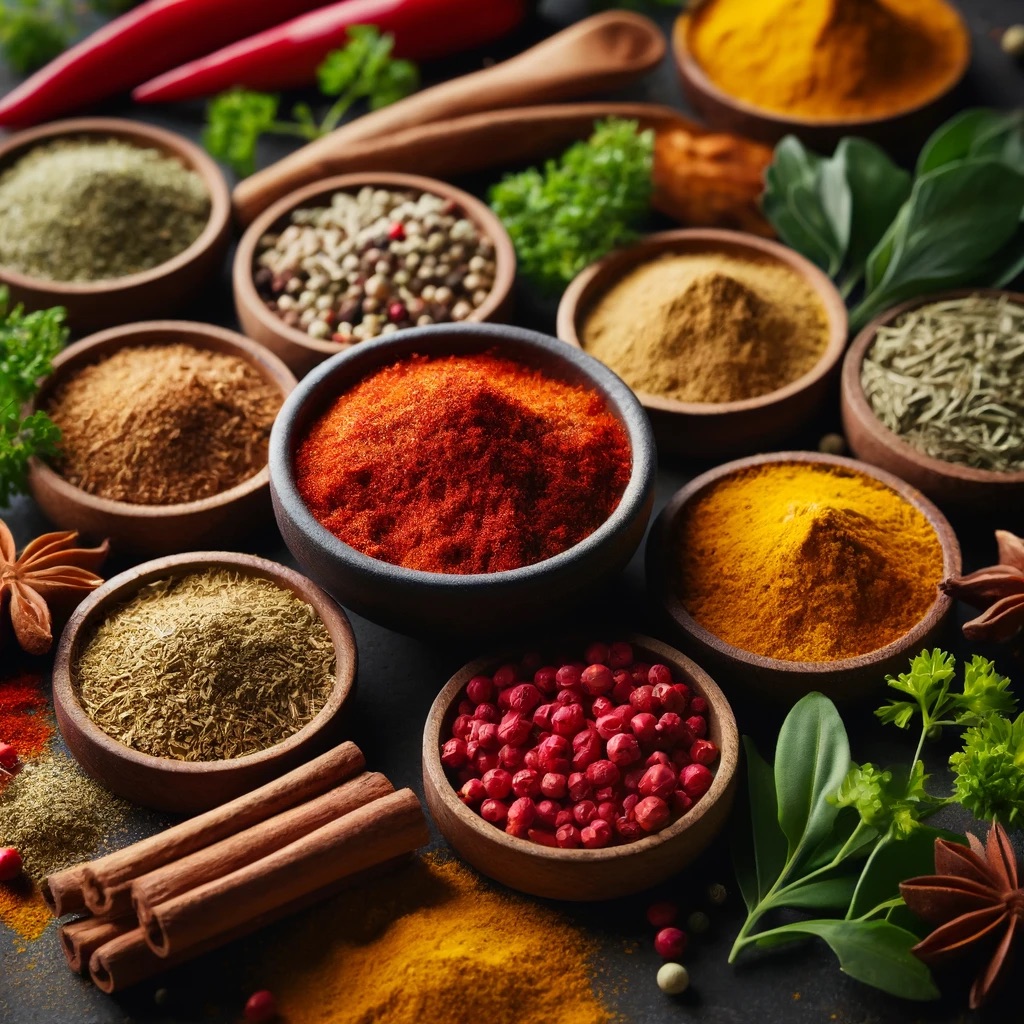
Throughout history and across cultures, the act of sharing a meal has been more than a mere necessity for survival; it has been a profound expression of community, connection, and tradition. The phrase "breaking bread" evokes images of people gathering around a table, sharing food, stories, and laughter. This timeless ritual transcends geographical borders and cultural divides, reflecting the intrinsic human need for companionship and belonging.
The Origins of Sharing Meals
The tradition of sharing meals dates back to prehistoric times when early humans would gather in groups to hunt, gather, and share their food. The communal aspect of eating was essential for survival, fostering cooperation and social bonds. As societies evolved, so did the rituals surrounding food. Ancient civilizations, such as the Egyptians, Greeks, and Romans, celebrated communal meals as important social events, often accompanied by rituals and ceremonies.
Cultural Significance of Meals
Across the globe, food has always played a central role in cultural identity. Different cultures have unique dishes, preparation methods, and dining customs that reflect their history, geography, and values. For example, in Italy, the Sunday family meal is a cherished tradition, where families gather to enjoy homemade pasta and sauces passed down through generations. In Japan, the art of kaiseki dining emphasizes seasonal ingredients and presentation, turning each meal into a harmonious experience.
In many cultures, sharing food is also intertwined with spirituality and religious practices. In Christianity, the act of breaking bread has profound religious significance, symbolizing the body of Christ during Communion. Similarly, in Judaism, the Shabbat meal brings families together to celebrate rest and reflection, often featuring challah bread and wine.
Breaking Bread Across Cultures
While the specific foods and customs may vary, the essence of breaking bread can be found in cultures worldwide:
- Middle Eastern Tradition: In Middle Eastern cultures, meals often begin with pita bread and dips such as hummus and baba ghanoush. The act of sharing bread symbolizes hospitality and friendship.
- Indian Cuisine: In India, meals are often served on a communal platter, where diners eat with their hands, emphasizing a sense of togetherness and familial bonds.
- Mexican Gatherings: In Mexico, sharing tortillas and salsas during a meal is a way to connect with family and friends, often accompanied by lively conversation and celebration.
- Chinese Family Style: Chinese dining customs often involve serving dishes in the center of the table, allowing everyone to share and taste various foods, fostering a sense of communal enjoyment.
The Modern Significance of Shared Meals
In today's fast-paced world, where individualism often takes precedence, the tradition of sharing meals remains a vital practice that nurtures relationships and promotes well-being. Research shows that shared meals contribute to improved mental health, stronger family bonds, and a sense of belonging. The dining table serves as a space for open communication, where stories are exchanged, and connections are deepened.
Moreover, the recent rise of food culture, with its emphasis on artisanal cooking, farm-to-table dining, and culinary exploration, has renewed interest in shared meals. People are increasingly seeking experiences that allow them to connect with others over food. Pop-up dinners, communal feasts, and food festivals celebrate the joy of sharing meals and the diverse culinary heritage of different cultures.
Breaking Bread in a Globalized World
As globalization brings people closer together, the act of breaking bread takes on new dimensions. Food has become a bridge across cultures, allowing people to share their traditions and connect with others. Fusion cuisine, which blends elements from different culinary traditions, exemplifies this phenomenon. It invites exploration and experimentation, encouraging individuals to break boundaries and create new shared experiences.
Social media platforms have also played a significant role in the resurgence of communal dining. Food photography and sharing recipes online have sparked interest in cooking and sharing meals with others. Virtual dinner parties and online cooking classes have emerged as creative ways to connect with friends and family, even from a distance.
Conclusion
Breaking bread is a universal tradition that unites people across cultures and generations. It is a testament to the enduring human need for connection, community, and shared experiences. Whether it’s a family gathering, a festive celebration, or a simple meal with friends, the act of sharing food fosters bonds that transcend time and place. As we continue to navigate an increasingly complex world, let us cherish and uphold the tradition of breaking bread, celebrating the richness of our shared humanity.


