The art of cooking
AI CHEF Blog

Taste of Tradition: The Importance of Preserving Culinary Heritage
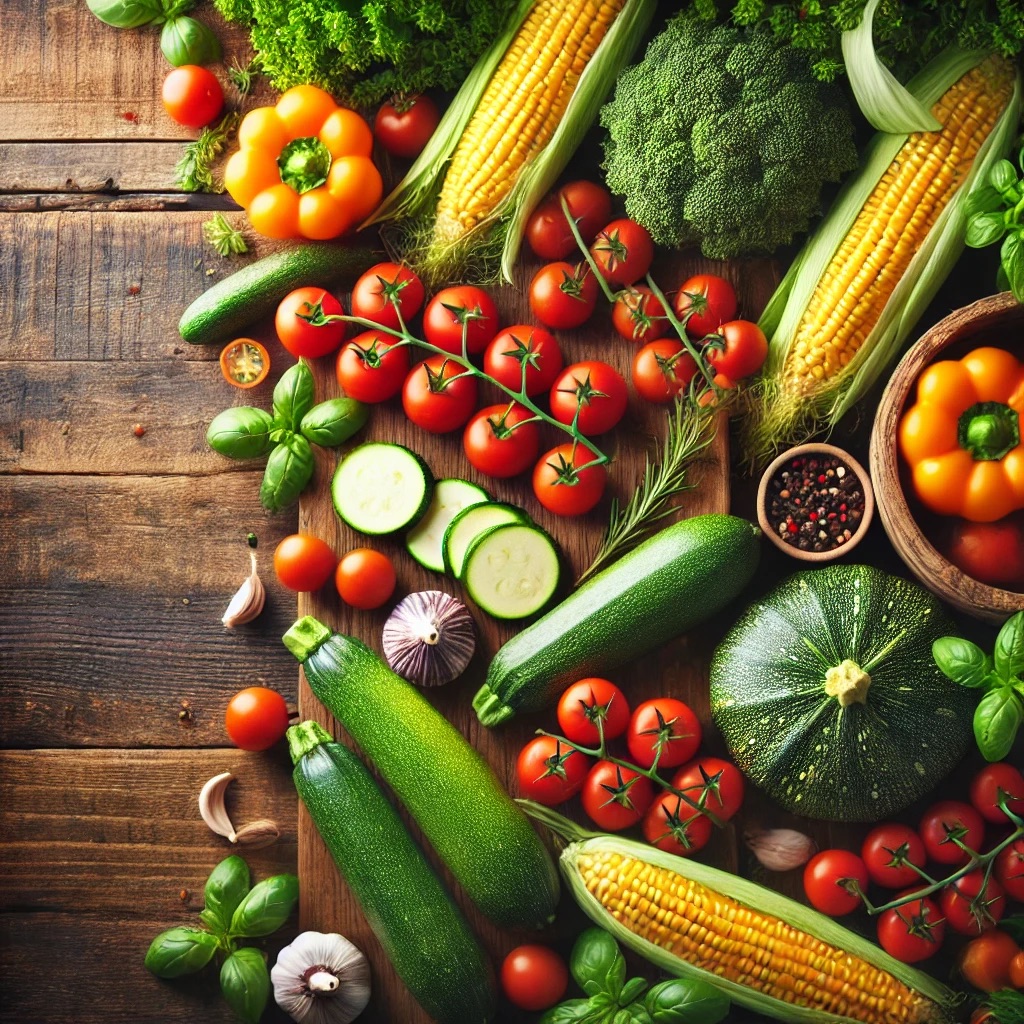
Culinary heritage is a treasure trove of flavors, aromas, and stories that connect us to our past. It encompasses the traditional cooking methods, recipes, and ingredients that have been passed down through generations. In an era of globalization, where fast food and instant meals dominate, the importance of preserving our culinary heritage has never been more critical. This blog post explores the significance of culinary traditions, the challenges they face, and how we can actively participate in their preservation.
The Roots of Culinary Heritage
Culinary heritage is more than just food; it is a reflection of cultural identity, history, and community. Each dish tells a story about the people who created it, the environment in which it was produced, and the rituals surrounding its preparation and consumption. For instance, the use of specific spices in Indian cooking reflects the region's agricultural practices and trade history, while traditional Italian pasta-making techniques showcase the artistry and skill passed down through generations.
Why Culinary Heritage Matters
Preserving culinary heritage is vital for several reasons:
- Cultural Identity: Food is a key component of cultural identity. It brings people together, fosters a sense of belonging, and strengthens community bonds. Traditional recipes often evoke memories of family gatherings, celebrations, and rituals.
- Historical Significance: Culinary practices provide insights into historical events, migration patterns, and social changes. For example, the introduction of new ingredients through colonization or trade has profoundly influenced local cuisines.
- Environmental Sustainability: Many traditional cooking methods emphasize local and seasonal ingredients, promoting sustainable agriculture and biodiversity. By preserving these practices, we can support environmental conservation efforts.
- Health Benefits: Traditional diets often prioritize whole, unprocessed foods. By embracing culinary heritage, we can encourage healthier eating habits that benefit both individuals and communities.
Challenges to Culinary Heritage
Despite its importance, culinary heritage faces numerous challenges:
- Globalization: The rise of fast food chains and convenience foods has led to the homogenization of diets worldwide. Traditional dishes are often replaced by standardized options that lack authenticity.
- Urbanization: As people migrate to urban areas, traditional cooking methods and local ingredients may be lost. The younger generation may be less inclined to learn and practice their cultural culinary traditions.
- Commercialization: The commercialization of food can dilute cultural practices. When traditional foods are mass-produced, they may lose their unique flavors and connection to heritage.
Preserving Culinary Heritage: How We Can Help
While the challenges are significant, there are many ways we can actively participate in preserving culinary heritage:
- Learn and Share: Take the time to learn about your culinary heritage. Seek out traditional recipes from family members and share them with others. Host cooking classes or workshops to teach others about the importance of these dishes.
- Support Local Producers: Buy ingredients from local farmers' markets and producers. This not only supports the local economy but also encourages the use of traditional farming practices.
- Cook with Intention: Make a conscious effort to cook traditional dishes at home. Gather with family and friends to prepare and enjoy meals that hold cultural significance.
- Document and Archive: Create a family cookbook or archive traditional recipes and cooking methods. Encourage others to do the same, ensuring that these culinary traditions are preserved for future generations.
- Advocate for Cultural Awareness: Promote the importance of culinary heritage in your community. Organize events that celebrate traditional food and engage with local chefs and artisans.
Conclusion
The taste of tradition is a powerful reminder of who we are and where we come from. By preserving our culinary heritage, we not only honor our ancestors but also enrich our present and future. As we navigate a rapidly changing world, let us commit to celebrating and safeguarding the diverse flavors and stories that make up our global culinary tapestry. Together, we can ensure that the taste of tradition continues to delight and inspire generations to come.


