The art of cooking
AI CHEF Blog

A Culinary Adventure: Exploring Fusion Cuisines Around the World
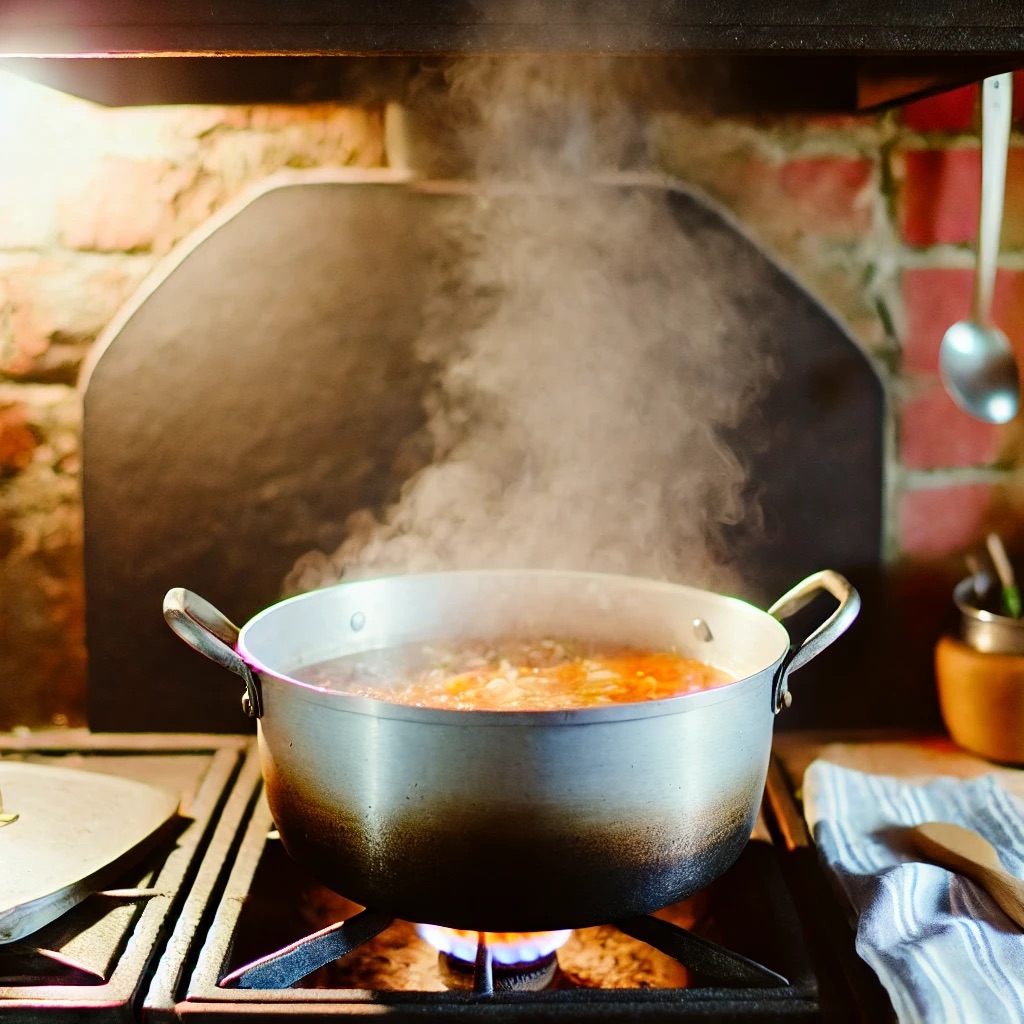
Food is not just sustenance; it is a cultural expression, a form of art, and a bridge that connects diverse peoples and traditions. One of the most exciting trends in the culinary world is fusion cuisine, where chefs combine elements from different culinary traditions to create innovative and delicious dishes. In this blog post, we will embark on a culinary adventure, exploring some of the most intriguing fusion cuisines from around the globe.
What is Fusion Cuisine?
Fusion cuisine is a style of cooking that blends ingredients, techniques, and flavors from different culinary traditions. This can happen in various ways, from incorporating spices from one culture into a dish from another, to creating entirely new recipes that reflect a blend of cultural influences. The intent behind fusion cuisine is often to reflect globalization and the interconnectedness of cultures, making it a true culinary adventure.
The History of Fusion Cuisine
While fusion cuisine may seem like a modern phenomenon, it has roots that stretch back centuries. The age of exploration in the 15th and 16th centuries saw the introduction of new ingredients and cooking techniques across continents. The Silk Road facilitated a similar exchange of culinary practices between Asia and Europe. However, it wasn’t until the late 20th century that fusion cuisine emerged as a popular trend in fine dining, with chefs like Wolfgang Puck and Nobu Matsuhisa leading the charge.
Examples of Fusion Cuisines
Let’s take a closer look at some of the most fascinating examples of fusion cuisines from around the world:
1. Tex-Mex
Originating from the border region between Texas and Mexico, Tex-Mex cuisine combines traditional Mexican recipes with American flavors and ingredients. Dishes like fajitas, nachos, and chili con carne exemplify this fusion. Tex-Mex is characterized by the use of cheddar cheese, sour cream, and spices that differ from traditional Mexican fare, making it a beloved comfort food across the United States.
2. Indian-Chinese
Indian-Chinese cuisine is a vibrant fusion that arose from the Chinese community in India. It features dishes like chili chicken, manchurian, and hakka noodles, which incorporate Indian spices and cooking techniques with traditional Chinese flavors. This fusion is particularly popular in urban areas of India and has gained international acclaim for its bold flavors.
3. Sushi Burrito
The sushi burrito is a perfect example of contemporary fusion, combining the elements of sushi and the convenience of a burrito. This dish typically consists of sushi rice, raw fish, and fresh vegetables wrapped in a large sheet of seaweed, creating a portable meal that caters to the fast-paced lifestyle of modern diners. It has become a popular street food in many cities worldwide.
4. Korean Tacos
Korean tacos are a delicious fusion that emerged from Los Angeles food trucks, blending Mexican tortillas with Korean barbecue fillings. These tacos often feature marinated meats like bulgogi or spicy pork, topped with kimchi and a drizzle of sriracha or aioli. This combination of flavors showcases the versatility of both cuisines.
5. Peruvian Nikkei
The Nikkei cuisine is a beautiful fusion of Peruvian and Japanese culinary traditions. This unique blend arose from the Japanese immigrant community in Peru and features ingredients like ceviche alongside techniques such as sushi-making. Dishes like tiradito with wasabi and miso-marinated fish illustrate the harmonious marriage of flavors from both cultures.
6. Mediterranean-Asian
The Mediterranean-Asian fusion cuisine incorporates elements from both regions, resulting in dishes that showcase flavors like tahini, olive oil, and fresh herbs alongside Asian spices and cooking methods. Dishes such as falafel sushi rolls and hummus with sesame dressing exemplify this delightful blend of culinary traditions.
Why Fusion Cuisine Matters
Fusion cuisine is important for several reasons:
- Cultural Exchange: Fusion cuisine fosters cultural exchange and understanding. It encourages people to explore and appreciate different cultures through food.
- Innovation: It inspires chefs to experiment and innovate, pushing the boundaries of traditional cooking and creating new culinary experiences.
- Accessibility: Fusion dishes often make international flavors more accessible to a broader audience, allowing people to experience diverse cuisines without traveling.
- Community Building: Food brings people together, and fusion cuisine can create a sense of community, allowing individuals from different backgrounds to bond over shared meals.
Tips for Creating Your Own Fusion Dishes
If you’re feeling inspired to embark on your own fusion culinary adventure, here are some tips to get you started:
- Start with Familiar Flavors: Begin by combining ingredients or techniques that you are already comfortable with. This will help you understand how different elements interact.
- Experiment with Spices: Spices can transform a dish and create unexpected flavor profiles. Consider incorporating spices from one cuisine into another to elevate your dish.
- Balance Textures: Pay attention to the textures in your dish. Combining crunchy, creamy, and chewy elements can create a satisfying and dynamic experience.
- Be Open-Minded: Don’t be afraid to try new combinations. Some of the best fusion dishes come from unexpected pairings.
- Gather Feedback: Share your creations with friends and family to get feedback. This will help you refine your dishes and discover what works (and what doesn’t).
Conclusion
Fusion cuisine represents the exciting intersection of diverse culinary traditions, encouraging creativity and innovation in the kitchen. As we explore the world of fusion cuisines, we celebrate the richness of cultural exchange and the endless possibilities that arise when different flavors and techniques come together. So, whether you’re enjoying a plate of Korean tacos or trying your hand at creating your own fusion dish, remember that every bite is a testament to the beautiful tapestry of global cuisine.


