The art of cooking
AI CHEF Blog

Herbs and Spices: The Language of Flavor in Global Cuisines
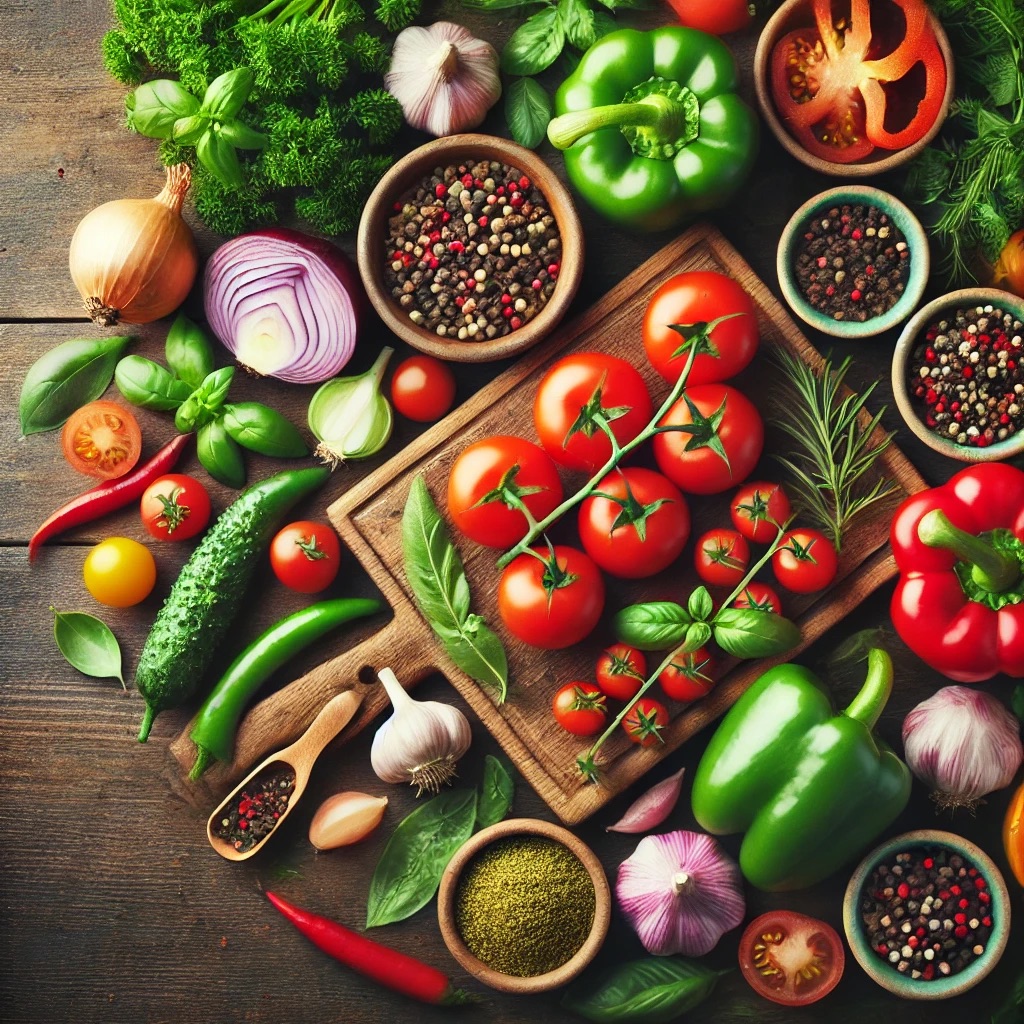
Herbs and spices have been integral to culinary traditions around the globe, serving not only to enhance flavor but also to preserve food and provide health benefits. These natural flavorings tell a story of culture, geography, and history, connecting us to different parts of the world through the simple act of eating. In this blog post, we'll explore the roles of herbs and spices in various cuisines, their health benefits, and how they can transform your cooking.
The Role of Herbs and Spices in Cuisine
Herbs, typically the leafy green parts of plants, and spices, which come from other parts such as seeds, roots, or bark, are essential in creating the unique flavor profiles that define global cuisines. They work in harmony with other ingredients, enhancing the overall dish and making it memorable. From the aromatic basil of Italian dishes to the warm, earthy cumin found in Indian curries, each herb and spice contributes its own character to the culinary experience.
Herbs: The Freshness Factor
Herbs are often fresh, vibrant, and full of life. They are used to add brightness and freshness to dishes, balancing out richer flavors. In Mediterranean cooking, herbs like parsley, oregano, and thyme are staples, often used in marinades, salads, and sauces. In contrast, Asian cuisines favor herbs such as cilantro, mint, and lemongrass, which provide a fragrant lift to dishes like pho and curries.
Spices: The Depth of Flavor
Spices, on the other hand, are more concentrated and potent. They can bring warmth, heat, or sweetness to a dish. The use of spices varies significantly across cultures. For instance, Indian cuisine is renowned for its complex spice blends, such as garam masala, which combines spices like cardamom, cinnamon, and cloves to create a rich flavor base. In contrast, the use of spices in Mexican cuisine, such as chili powder and cumin, adds both heat and depth to dishes like tacos and enchiladas.
A Journey Through Global Cuisines
Let’s take a culinary journey around the world and highlight some of the key herbs and spices that define different cuisines.
Italian Cuisine
Italian cooking celebrates the use of fresh herbs. Basil, with its sweet and slightly peppery flavor, is a fundamental ingredient in pesto and many tomato-based sauces. Oregano, often associated with pizza, adds a warm, aromatic flavor, while parsley is used as a garnish and a flavor enhancer in numerous dishes. The balance of these herbs creates the heart and soul of Italian cuisine.
Indian Cuisine
Indian cuisine is a tapestry of spices and herbs, each with its own significance. Turmeric, with its bright yellow color and earthy flavor, is not just a spice but a symbol of health and wellness. Cumin adds a warm, nutty flavor, while coriander seeds provide a citrusy note. The use of chili peppers brings heat to many dishes, and the combination of these spices creates a multitude of regional flavors, from the tangy and spicy dishes of the south to the rich and creamy curries of the north.
Mexican Cuisine
In Mexican cuisine, spices play a crucial role in developing bold flavors. Cumin and coriander are often used in combination with chili peppers to create complex salsas and stews. Oregano adds a characteristic flavor to many dishes, and fresh herbs like cilantro provide a refreshing contrast. The vibrant use of spices embodies the spirit of Mexican food, making it both flavorful and exciting.
Middle Eastern Cuisine
The Middle Eastern culinary tradition is rich with spices and herbs. Sumac, with its tangy flavor, is commonly sprinkled over salads and meats, while za'atar, a blend of herbs, sesame seeds, and sumac, adds depth to various dishes. Saffron, known for its unique flavor and vibrant color, is often used in rice dishes like paella. The intricate use of spices in Middle Eastern cuisine reflects its diverse cultural influences.
Asian Cuisine
Asian cuisines, including Chinese, Thai, and Vietnamese, showcase a wide range of herbs and spices. Ginger and garlic are foundational in Chinese cooking, providing aromatic depth to stir-fries and soups. Thai cuisine is famous for its use of fresh herbs like cilantro, Thai basil, and mint, which contribute to the vibrant flavors of dishes like Tom Yum soup. In Vietnamese cooking, herbs such as perilla and cilantro are often served fresh alongside dishes, allowing diners to customize their flavor experience.
Health Benefits of Herbs and Spices
Beyond flavor, many herbs and spices boast significant health benefits. Turmeric, for example, contains curcumin, a compound known for its anti-inflammatory properties. Garlic is celebrated for its heart health benefits, while ginger can aid digestion and alleviate nausea. Incorporating a variety of herbs and spices into your diet can not only enhance the taste of your meals but also contribute to your overall well-being.
How to Use Herbs and Spices in Your Cooking
Using herbs and spices effectively can transform your home cooking. Here are some tips:
- Start Fresh: Whenever possible, use fresh herbs to maximize flavor. Add them towards the end of cooking to retain their vibrant taste.
- Experiment with Spice Blends: Try creating your own spice blends to suit your taste. For example, mix cumin, paprika, and garlic powder for a flavorful seasoning for meats and vegetables.
- Balance Flavors: Pay attention to how herbs and spices can balance each other. For example, use a touch of sweetness to counteract heat from chili peppers.
- Infuse Oils and Vinegars: Create infused oils and vinegars with herbs and spices for dressings and marinades that pack a punch.
Conclusion
Herbs and spices are the unsung heroes of global cuisines, bringing depth, complexity, and vibrancy to our meals. They are a language of flavor that transcends borders, allowing us to connect with cultures around the world. Embracing these natural flavor enhancers not only elevates our cooking but also enriches our culinary experience. So, the next time you prepare a meal, think of the herbs and spices at your disposal and let them tell their own story on your plate.


