The art of cooking
AI CHEF Blog

Celebrating Life Through Food: The Role of Meals in Jewish Traditions
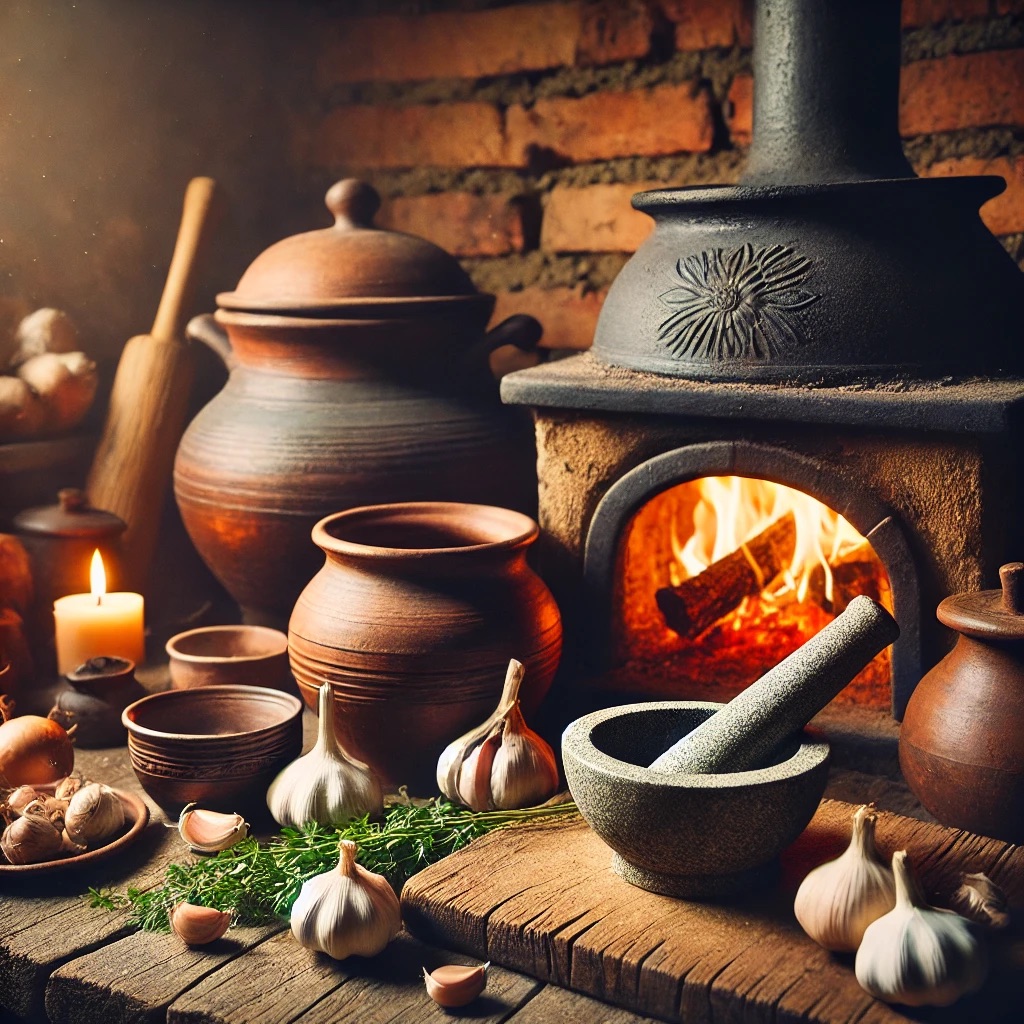
Food is more than just sustenance; it is a means of connection, a way to celebrate life’s milestones, and an integral part of cultural identity. In Jewish traditions, meals play a significant role in both religious and familial settings, symbolizing unity, remembrance, and the sanctity of life. This blog post explores the importance of meals in Jewish culture, particularly how they are woven into the fabric of Jewish celebrations, rituals, and everyday life.
The Significance of Food in Jewish Culture
In Jewish culture, food is imbued with meaning. It is often said that Jewish life is centered around the table. From Shabbat dinners to holiday feasts, food serves as a medium through which traditions are passed down and memories are made. Each meal or gathering is an opportunity to connect with family, friends, and the community, reinforcing bonds that transcend generations.
A Symbol of Togetherness
Jewish meals are often communal events, emphasizing the importance of togetherness. Sharing food fosters connections and nurtures relationships. Whether it’s a festive holiday meal or a simple Shabbat dinner, the act of coming together to eat creates a sense of belonging and community.
Shabbat: A Weekly Celebration
One of the most significant examples of meal-related traditions in Judaism is Shabbat, the weekly day of rest. Shabbat begins at sundown on Friday and ends at nightfall on Saturday. It is a time for reflection, prayer, and, most importantly, gathering around the table with loved ones.
The Shabbat Table
The Shabbat meal typically begins with the lighting of candles, followed by the recitation of blessings over wine (Kiddush) and challah bread. The challah, a braided bread, is a symbol of the double portion of manna that fell from heaven in the desert, and it serves as a reminder of God’s provision for the Jewish people.
During the Shabbat meal, families come together to share stories, traditions, and laughter. It is a time to disconnect from the chaos of the week and reconnect with one another, creating a sacred space for reflection and gratitude.
Holidays and Festive Meals
In addition to Shabbat, Jewish holidays are marked by special meals that reflect the significance of the occasion. These meals often include traditional foods that carry deep symbolism.
Passover: A Meal of Remembrance
Passover (Pesach) is one of the most important Jewish holidays, commemorating the Exodus from Egypt. The Seder meal, held on the first two nights of Passover, is steeped in ritual and tradition. At the Seder, families gather to retell the story of the Exodus through food and symbolism.
Each item on the Seder plate has a specific meaning: maror (bitter herbs) represents the bitterness of slavery, charoset (a sweet mixture of apples, nuts, and wine) symbolizes the mortar used by the Israelites, and karpas (parsley) is dipped in salt water to represent tears. The act of eating these symbolic foods encourages participants to reflect on their history and the importance of freedom.
Rosh Hashanah: A Sweet New Year
Rosh Hashanah, the Jewish New Year, is another occasion marked by special foods. It is customary to eat sweet foods, such as apples dipped in honey, to symbolize the hope for a sweet year ahead. Challah is often shaped into a round loaf, representing the cycle of the year.
Meals during Rosh Hashanah bring families together as they reflect on the past year and make resolutions for the year to come. It is a time to express gratitude and hope, using food as a means to convey these sentiments.
Lifecycle Events and Food
Jewish lifecycle events, such as weddings, bar and bat mitzvahs, and funerals, also prominently feature food as a central element. These gatherings highlight the role of meals in celebrating milestones and commemorating life’s transitions.
Weddings: A Feast of Joy
Jewish weddings are often accompanied by lavish feasts, symbolizing the joy of the occasion. The meal shared with family and friends marks the beginning of a new life together for the couple. Traditional foods, such as gefilte fish, brisket, and kugel, may be served, showcasing cultural heritage and family recipes.
Funerals: Mourning Through Sharing
On the other end of the spectrum, food plays a role in mourning as well. After a funeral, it is customary for the bereaved family to receive guests who come to offer their condolences. These gatherings often include a simple meal, known as the Seudat Havra’ah, which serves to comfort those in mourning and provide a space for shared grief.
Everyday Meals: Finding Holiness in the Mundane
While special occasions are marked by elaborate meals, everyday meals also carry significance in Jewish traditions. The act of blessing food before eating (Birkhat Hamazon) is a way to acknowledge the sustenance provided by God. This practice transforms even the simplest meal into an opportunity for gratitude and mindfulness.
Bridging Generations
Jewish cooking is often a way to pass down traditions from one generation to the next. Family recipes are cherished and shared, connecting the past with the present. Cooking together can be a bonding experience, allowing families to engage in conversations about their heritage and the stories behind the dishes they prepare.
Conclusion: Food as a Reflection of Jewish Identity
Food is a powerful medium through which Jewish traditions, values, and identity are expressed. Whether it’s the weekly Shabbat dinner, a festive holiday meal, or a simple family gathering, meals serve as a celebration of life, love, and community. They remind us of our history, our relationships, and the importance of gratitude.
In a world that often feels disconnected, the act of gathering around the table to share food is a timeless reminder of the bonds that unite us. As we celebrate life through food, we honor our past, embrace our present, and look forward to our future together.


