The art of cooking
AI CHEF Blog

Pairing Global Spices with Local Ingredients
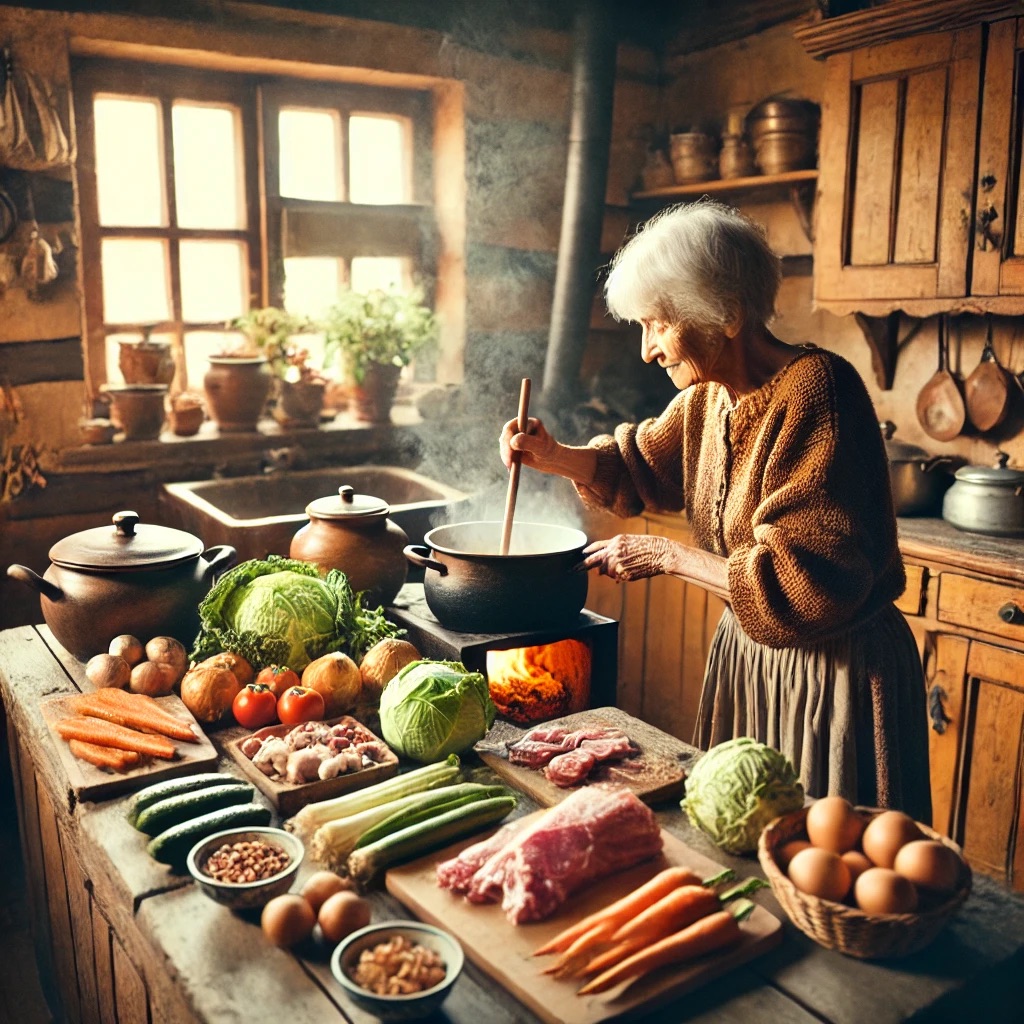
The culinary world is a vibrant tapestry of flavors, aromas, and traditions, woven together from the rich histories of various cultures. One of the most exciting ways to explore this diversity is by . This not only enhances the flavor of dishes but also creates a unique culinary experience that resonates with the region's identity.
The Importance of Spices in Global Cuisine
Spices have been a fundamental part of culinary practices around the world for centuries. They add depth, complexity, and a burst of flavor to dishes, transforming simple ingredients into extraordinary meals. From the fiery heat of chili peppers to the warm, earthy notes of cinnamon, spices can transport you to different parts of the world with just a pinch.
Understanding Local Ingredients
Local ingredients are the backbone of any regional cuisine. They reflect the geography, climate, and agricultural practices of a particular area. By understanding the local produce, grains, meats, and dairy, we can create dishes that not only celebrate our heritage but also promote sustainability and support local farmers.
Creating Unique Flavor Profiles
allows chefs and home cooks alike to create unique flavor profiles that tell a story. Here are a few ideas to inspire your culinary adventures:
1. Mediterranean Herbs with Local Vegetables
Imagine a summer garden bursting with fresh tomatoes, zucchini, and bell peppers. By incorporating Mediterranean herbs such as oregano, thyme, and rosemary, you can elevate these local vegetables to new heights. A simple roasted vegetable medley with olive oil, garlic, and a sprinkle of fresh herbs creates a dish that is both comforting and vibrant.
2. Indian Spices with Regional Fish
Coastal communities often have access to an abundance of fresh fish. By using Indian spices like turmeric, cumin, and coriander, you can create a delicious curry or spice-rubbed grilled fish. Pairing local fish with these bold spices not only respects the ingredients but also introduces diners to the wonderful world of Indian flavors.
3. Mexican Chilies with Local Meats
In regions where ranching is prevalent, combining local meats with Mexican chilies can create unforgettable dishes. Think of a slow-cooked beef stew with ancho and chipotle chilies, simmered with local beans and vegetables. The smokiness of the chilies, combined with the richness of the meat, will leave a lasting impression.
4. Asian Spices with Local Grains
Many Asian cuisines utilize a variety of spices that can be harmoniously paired with local grains. For example, using ginger, garlic, and soy sauce to stir-fry local vegetables with rice or quinoa can create a satisfying and nutritious dish. The umami notes from the soy sauce combined with the freshness of locally sourced produce make for a delightful meal.
Seasonal Pairings
Seasonality plays a crucial role in what ingredients are available and at their peak flavor. Embracing the seasons not only ensures the freshest produce but also allows you to experiment with different spice pairings throughout the year.
Spring: Fresh Herbs and Green Vegetables
As spring brings forth an array of green vegetables, consider pairing them with global spices like sumac or za'atar. These Middle Eastern spices can brighten up a dish of sautéed asparagus or a fresh salad, bringing a refreshing twist to your spring meals.
Summer: Spices with Fruits
Summer is a time for ripe fruits. Pairing local berries or stone fruits with spices like cardamom or pepper can add an unexpected dimension to desserts or salads. A peach salad with a hint of black pepper and fresh mint can be a delightful summer treat.
Autumn: Warming Spices with Root Vegetables
As the weather cools, root vegetables become abundant. Pairing them with warming spices like cinnamon, nutmeg, or allspice can create comforting dishes. A roasted butternut squash soup seasoned with these spices can warm you from the inside out.
Winter: Hearty Dishes with Bold Flavors
In the winter months, hearty dishes become a staple. Using bold spices like smoked paprika or curry powder with local meats and legumes can create satisfying meals that are perfect for cold evenings. A warming lentil stew with smoked paprika brings comfort and nourishment.
Conclusion
is a wonderful way to celebrate culinary diversity while honoring local traditions and produce. It encourages creativity in the kitchen and opens up a world of flavors that can enhance any meal. So next time you’re cooking, consider how you can blend the spices of the world with the bounty of your local community. Your taste buds—and your community—will thank you!


