The art of cooking
AI CHEF Blog

Seasonal Ingredients: Pairing Foods for Maximum Freshness
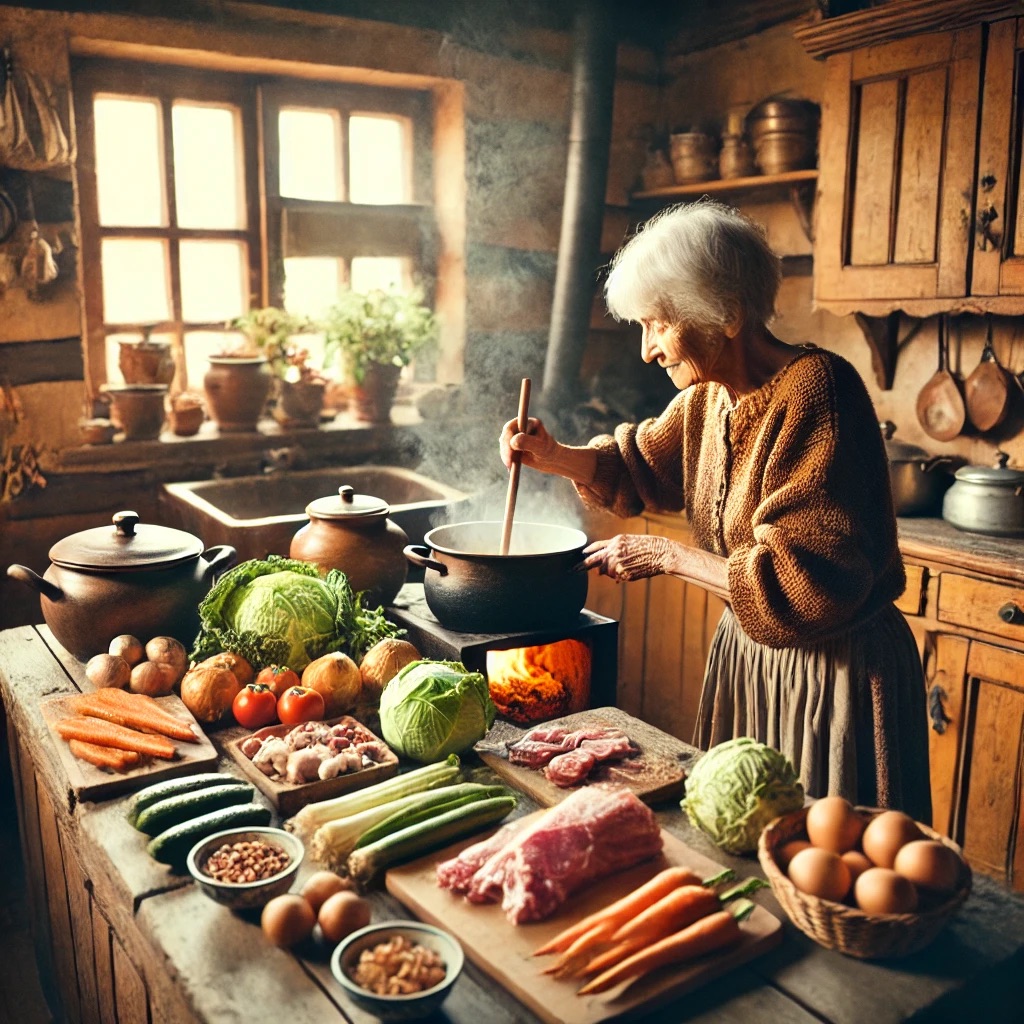
In the culinary world, the importance of seasonal ingredients cannot be overstated. Fresh produce not only tastes better but also offers superior nutritional value. Understanding how to pair these ingredients effectively can elevate your cooking and create dishes that sing with flavor. In this blog post, we will explore the concept of seasonal eating, delve into some key seasonal ingredients, and provide tips on how to pair them for maximum freshness and flavor.
The Benefits of Eating Seasonally
Eating seasonally means consuming fruits and vegetables that are at their peak in terms of ripeness and availability. This practice has numerous benefits:
- Flavor: Seasonal produce is fresher and often harvested at the height of its flavor, making your dishes more delicious.
- Nutritional Value: Seasonal fruits and vegetables retain more nutrients than those that are out of season and stored for long periods.
- Environmental Impact: Seasonal eating often means less transportation and packaging, which can reduce your carbon footprint.
- Support Local Farmers: Buying seasonal ingredients often means purchasing from local farmers, which helps support the local economy.
Key Seasonal Ingredients
Understanding which ingredients are in season can help you plan your meals more effectively. Here’s a breakdown of seasonal ingredients by season:
Spring
- Asparagus: Tender and earthy, asparagus pairs beautifully with lemon, eggs, and creamy cheeses.
- Peas: Sweet peas are vibrant and can be paired with mint, ham, or fresh ricotta for a delightful spring salad.
- Radishes: Crunchy and slightly spicy, radishes complement butter, salt, and fresh herbs.
Summer
- Tomatoes: Juicy and sweet, tomatoes shine when paired with basil, mozzarella, and balsamic vinegar.
- Zucchini: Mild and versatile, zucchini works well with garlic, parmesan, and grilled meats.
- Berries: Fresh berries can be used in desserts, salads, or simply enjoyed with yogurt or cream.
Fall
- Pumpkin: Rich and hearty, pumpkin is perfect in soups, pies, or paired with sage and brown butter.
- Apples: Crisp and sweet, apples can be paired with cheese, cinnamon, or used in savory dishes with pork.
- Brussels Sprouts: Earthy and nutty, Brussels sprouts pair well with bacon, nuts, and balsamic glaze.
Winter
- Root Vegetables: Carrots, potatoes, and turnips are hearty and pair perfectly with roasted meats and winter herbs.
- Citrus Fruits: Oranges, grapefruits, and lemons brighten up winter dishes and pair well with seafood and salads.
- Kale: Nutritious and versatile, kale can be used in salads, soups, or sautéed with garlic.
Pairing Foods for Maximum Freshness
Once you have your seasonal ingredients, the next step is to pair them effectively to enhance their flavors. Here are some tips for pairing foods:
Flavor Profiles
Consider the flavor profiles of your ingredients. Ingredients that share similar flavor profiles can complement each other beautifully. For example, the sweetness of roasted carrots pairs well with the earthy bitterness of kale.
Texture
Combining different textures can create a more enjoyable eating experience. For instance, pairing crispy radishes with creamy avocado or crunchy nuts can add depth to your dish.
Colors
A visually appealing plate can enhance the dining experience. Pairing colorful ingredients, such as bright tomatoes with greens, not only looks appealing but often indicates a variety of nutrients.
Cooking Methods
Different cooking methods can affect the flavor and texture of ingredients. Grilled vegetables can have a smoky flavor that pairs well with fresh herbs, while roasted ingredients can develop a caramelized sweetness that complements savory proteins.
Seasonal Recipe Ideas
To put this into practice, here are a few seasonal recipes that showcase ingredient pairings:
Spring Pea and Asparagus Salad
Ingredients:
- 1 cup fresh peas
- 1 bunch asparagus, trimmed and cut into 2-inch pieces
- 1/4 cup fresh mint, chopped
- 2 tablespoons olive oil
- Juice of 1 lemon
- Salt and pepper to taste
Instructions:
- Blanch peas and asparagus in boiling water for 2 minutes and then transfer to ice water.
- In a bowl, mix olive oil, lemon juice, salt, and pepper.
- Add peas, asparagus, and mint; toss to combine.
- Serve chilled.
Summer Tomato and Basil Caprese
Ingredients:
- 3 ripe tomatoes, sliced
- 8 ounces fresh mozzarella, sliced
- Fresh basil leaves
- Balsamic glaze
- Salt and pepper to taste
Instructions:
- Layer tomato slices, mozzarella, and basil leaves on a platter.
- Drizzle with balsamic glaze and sprinkle with salt and pepper.
- Serve immediately.
Fall Pumpkin Soup
Ingredients:
- 2 cups pumpkin puree
- 1 onion, chopped
- 2 garlic cloves, minced
- 4 cups vegetable broth
- 1 teaspoon sage, dried
- Salt and pepper to taste
Instructions:
- Sauté onion and garlic in a pot until translucent.
- Add pumpkin puree, vegetable broth, and sage; bring to a boil.
- Simmer for 20 minutes, then blend until smooth.
- Season with salt and pepper before serving.
Conclusion
Incorporating seasonal ingredients into your cooking not only enhances the flavor and nutritional value of your meals but also allows you to connect with the changing seasons. By understanding how to pair these ingredients effectively, you can create dishes that are both fresh and flavorful. So next time you’re at the market or planning your meals, consider what’s in season and get creative with your pairings!


