The art of cooking
AI CHEF Blog

From Sweet to Savory: The Ultimate Guide to Food Pairing
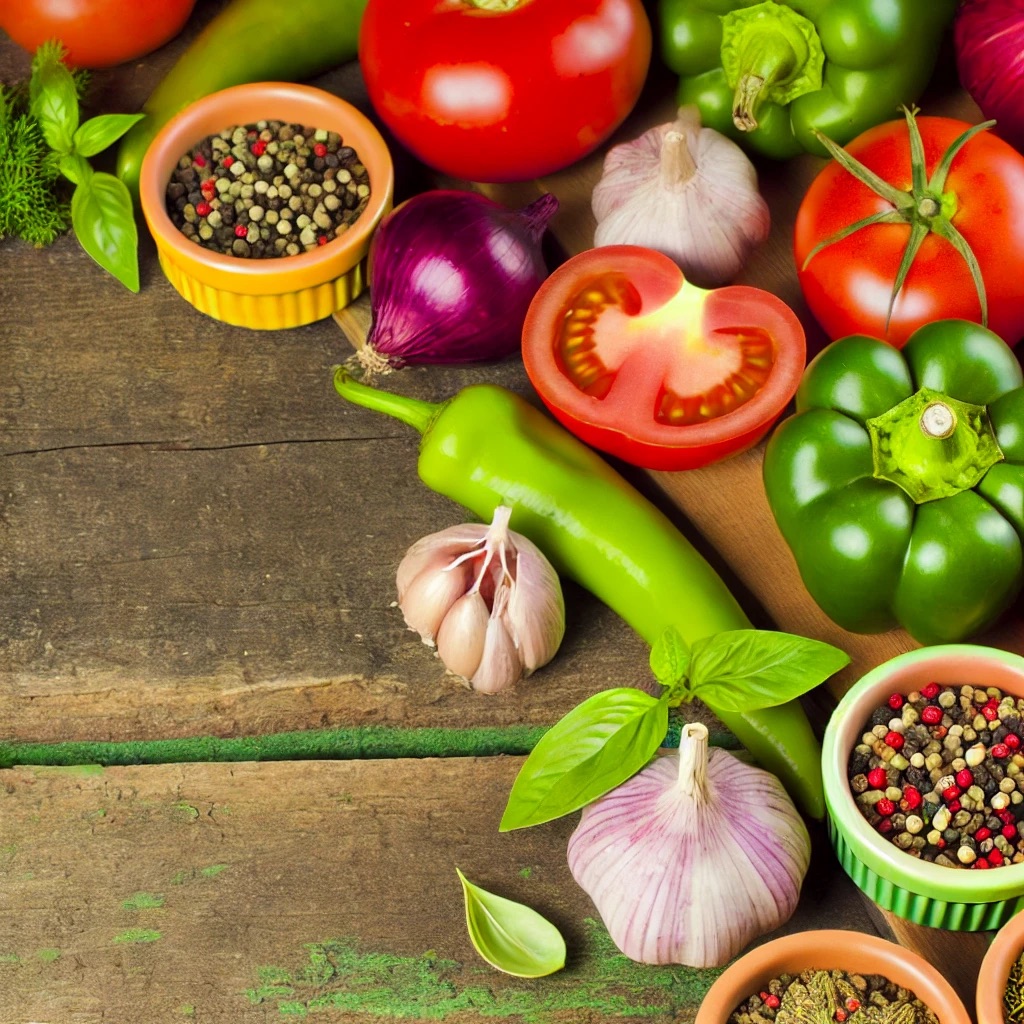
Food pairing is an art and a science. The combination of flavors, textures, and aromas can elevate a meal from mundane to extraordinary. Whether you’re a home cook looking to impress your family or a seasoned chef aiming to create innovative dishes, understanding the principles of food pairing can transform your culinary experience. In this guide, we will explore the nuances of pairing sweet and savory ingredients, offering insights into how to create balanced and delicious dishes.
Understanding Flavor Profiles
Before diving into specific pairings, it's crucial to understand the basic flavor profiles. The five primary tastes are sweet, sour, salty, bitter, and umami. Sweetness often comes from sugars and certain carbohydrates, while savory flavors are typically derived from proteins, herbs, and spices.
When combining sweet and savory ingredients, the goal is to strike a balance that enhances both flavors instead of overpowering one another. Here are some key flavor profiles to consider:
- Sweet: Fruits, honey, maple syrup, chocolate.
- Savory: Meats, cheeses, herbs, and spices.
- Umami: Mushrooms, soy sauce, tomatoes, aged cheeses.
The Science of Food Pairing
Food pairing is rooted in the chemical compounds found in various ingredients. Certain flavors complement each other because they share similar aromatic compounds. For instance, both strawberries and basil share certain volatile compounds, making them a classic pairing.
Another aspect to consider is the texture of the ingredients. The contrast between creamy and crunchy or soft and firm can create a delightful mouthfeel that enhances the overall dining experience.
Sweet and Savory Pairings to Try
Now that we understand the basics, let’s explore some popular sweet and savory pairings:
1. Bacon and Maple Syrup
This classic combination is a breakfast favorite. The salty, savory flavor of crispy bacon perfectly complements the rich sweetness of maple syrup. Try drizzling maple syrup over bacon or incorporating it into a glaze for roasted vegetables.
2. Blue Cheese and Honey
The pungent, creamy nature of blue cheese is beautifully balanced by the sweetness of honey. Serve this pairing on crackers, or drizzle honey over a blue cheese salad for a gourmet touch.
3. Watermelon and Feta Cheese
Watermelon’s refreshing sweetness pairs wonderfully with the salty, briny flavor of feta cheese. This combination makes for a delicious summer salad, often garnished with mint or basil.
4. Chocolate and Chili
Chocolate, especially dark chocolate, can benefit from a hint of spice. Adding chili powder or cayenne pepper to a chocolate sauce or dessert can create a complex flavor profile that tantalizes the taste buds.
5. Sweet Potatoes and Marshmallows
This Thanksgiving staple combines the earthy sweetness of sweet potatoes with the sugary fluffiness of marshmallows. The contrast in textures and flavors creates a comforting side dish that many people love.
Incorporating Herbs and Spices
Herbs and spices can elevate sweet and savory pairings even further. Here are some suggestions:
- Thyme: Pairs well with honey and roasted meats.
- Rosemary: Works beautifully with fruits like apples and pears.
- Cinnamon: Enhances sweet dishes but can also add warmth to savory stews and meats.
Creating Your Own Pairings
Once you grasp the principles of food pairing, the possibilities are endless. Here’s how to get started:
- Experiment: Don’t be afraid to try unconventional combinations. You might discover a new favorite.
- Balance: Aim for harmony between sweet and savory. If one flavor is overpowering, adjust the quantities.
- Texture Matters: Consider how different textures will play together. Adding a crunchy element can make a dish more exciting.
Conclusion
Food pairing is a creative endeavor that can elevate your cooking to new heights. By understanding the science behind flavors and exploring the delicious combinations of sweet and savory ingredients, you can create memorable meals that delight the senses. So grab your apron, gather your ingredients, and start experimenting with your newfound knowledge of food pairing!


