The art of cooking
AI CHEF Blog

The Best Cooking Hacks for Budget-Friendly Meals
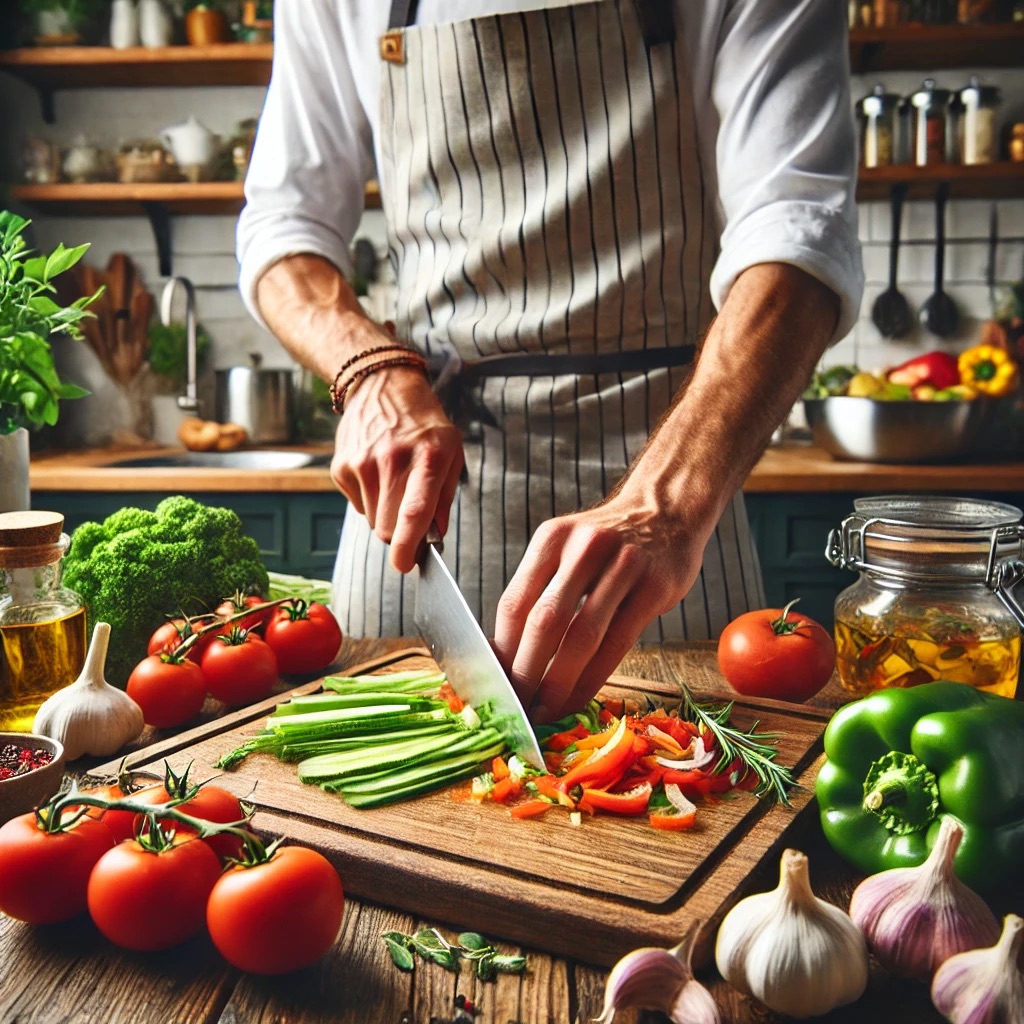
Eating well on a budget can be a challenge, but with the right cooking hacks, you can create delicious meals without breaking the bank. Whether you're a college student, a busy parent, or just someone looking to save a few bucks, these tips can help you make the most out of your grocery budget. In this blog post, we’ll explore some of that will keep your wallet happy and your stomach full.
1. Plan Your Meals
The first step to saving money on food is to plan your meals for the week. Take some time to sit down and decide what you want to eat. Consider using seasonal ingredients, as they tend to be cheaper and fresher. By planning your meals, you can create a shopping list that helps you avoid impulse buys and stick to your budget.
Meal planning can also help you reduce food waste. When you know what you’re going to cook, you can buy only the ingredients you need, which means less food gets thrown out at the end of the week.
2. Buy in Bulk
Buying in bulk can save you a significant amount of money, especially for staples like rice, pasta, beans, and oats. Look for bulk bins at your local grocery store or consider shopping at warehouse clubs. Just make sure you have a plan for using these items before they go bad.
When purchasing in bulk, it’s essential to pay attention to the unit price. Sometimes, larger packages may not be the best deal, so always compare prices!
3. Embrace Frozen Fruits and Vegetables
Frozen fruits and vegetables are often cheaper than their fresh counterparts and can be just as nutritious. They are picked at peak ripeness and flash-frozen, preserving their nutrients. Using frozen produce allows you to enjoy a variety of fruits and vegetables year-round without worrying about spoilage.
Incorporate frozen vegetables into stir-fries, soups, or casseroles, and use frozen fruits in smoothies, desserts, or oatmeal.
4. Get Creative with Leftovers
Leftovers don’t have to be boring. Get creative with your leftover meals by turning them into something new. For example, leftover roasted chicken can be shredded and used in tacos, salads, or soups. Vegetables can be added to omelets or blended into smoothies.
Consider making a “leftover night” each week where you use up what you have in the fridge. This not only saves money but also reduces food waste.
5. Cook in Batches
Batch cooking is an excellent way to save both time and money. By preparing large quantities of meals at once, you can portion them out for the week, ensuring you always have something healthy on hand.
Foods like soups, stews, and casseroles are perfect for batch cooking. After cooking, divide them into individual containers and freeze for later use. This way, you can have homemade meals ready to go on busy days.
6. Use Cheaper Cuts of Meat
Meat can be one of the most significant expenses in your grocery bill. Instead of opting for pricey cuts, consider using cheaper cuts of meat that can be just as flavorful when cooked properly. Cuts like chicken thighs, beef chuck, and pork shoulder are often less expensive and can be incredibly tender when slow-cooked or braised.
Additionally, you can stretch meat further by using it as a flavoring rather than the main event. For example, add a small amount of cooked meat to a stir-fry or pasta dish, and fill the rest with vegetables and grains.
7. Utilize Herbs and Spices
Herbs and spices can elevate even the simplest meals, making them taste gourmet without costing a fortune. Investing in a few essential herbs and spices can transform your cooking. Try to buy dried herbs in bulk for the best value.
Fresh herbs can be grown easily at home, even in small spaces. Consider starting a small herb garden on your windowsill. Herbs like basil, parsley, and cilantro can add freshness to your dishes and help you save money.
8. Opt for Meatless Meals
Incorporating more meatless meals into your diet can significantly reduce your grocery bill. Beans, lentils, and chickpeas are excellent sources of protein and can be used in various dishes, from salads to soups to tacos.
Experiment with meatless recipes like vegetable stir-fries, chili, or grain bowls. Not only will you save money, but you’ll also be eating healthier.
9. Make Your Own Sauces and Dressings
Store-bought sauces and dressings can be expensive and often contain preservatives and unhealthy ingredients. Making your own can save you money and ensure you know exactly what’s in your food.
Simple sauces can be made with pantry staples like olive oil, vinegar, mustard, and herbs. For dressings, try mixing olive oil with vinegar, lemon juice, or yogurt for a delicious homemade option.
10. Keep Your Pantry Stocked
A well-stocked pantry can save you time and money. Keep staple items like rice, pasta, canned beans, canned tomatoes, and spices on hand. These ingredients can be combined in various ways to create quick and easy meals.
Having a stocked pantry allows you to whip up meals with whatever you have on hand, making it easier to avoid last-minute takeout orders.
11. Get Creative with Grains
Grains like rice, quinoa, and barley are inexpensive and versatile. They can serve as a base for many meals, from grain bowls to salads and stir-fries. Experiment with different grains to add variety to your meals.
Consider making a large batch of grains at the beginning of the week to use in various dishes. You can mix and match with different proteins and vegetables for a range of meals.
12. Use Seasonal Produce
Buying seasonal produce is not only more affordable but also ensures that you’re getting the freshest ingredients. Visit your local farmer’s market or grocery store to see what’s in season and plan your meals around those items.
Seasonal fruits and vegetables often require less cooking and can be enjoyed raw, saving you both time and energy costs.
Conclusion
Cooking on a budget doesn’t have to mean sacrificing flavor or nutrition. By implementing these cooking hacks, you can enjoy delicious meals while keeping your expenses in check. From meal planning and batch cooking to using inexpensive ingredients creatively, these tips will help you become a more resourceful and budget-savvy cook.
Remember, the key to budget-friendly meals is creativity and planning. With a little effort and some smart shopping, you can make healthy and satisfying meals that won’t strain your wallet.


