The art of cooking
AI CHEF Blog

Cooking Challenges: How to Make Meals with Limited Ingredients
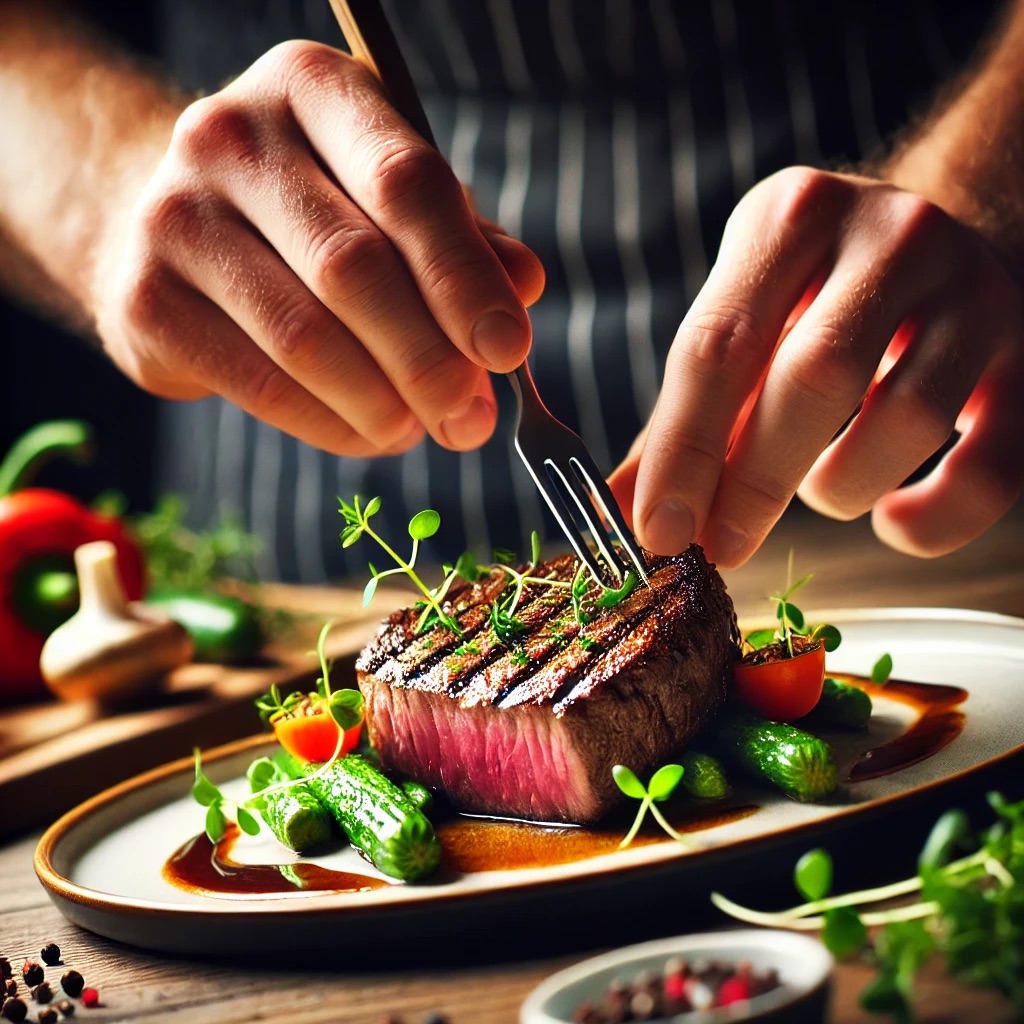
In today's fast-paced world, we often find ourselves in situations where our pantry or fridge is nearly empty, yet we still need to whip up a meal. This can feel like a daunting challenge, but with a little creativity and some cooking know-how, you can transform a handful of ingredients into a delicious dish. In this blog post, we'll explore practical tips and recipes for cooking with limited ingredients.
Understanding the Basics
Before diving into specific recipes, it's essential to understand how to make the most of the ingredients you have. Here are a few foundational principles:
- Inventory Check: Take stock of what you have. Look for staples like grains, canned goods, frozen items, and fresh produce. Knowing what you have on hand can inspire your cooking.
- Flavor Building: Use herbs, spices, and condiments to enhance the flavor of your dishes. A pinch of salt, a dash of pepper, or a drizzle of olive oil can elevate simple ingredients.
- Cooking Techniques: Master basic cooking techniques like sautéing, boiling, and roasting, which can help you to create a variety of meals from the same ingredients.
Meal Ideas with Limited Ingredients
Now that we have a foundation, let’s explore some meal ideas that can be made with limited ingredients.
1. Vegetable Stir-Fry
A vegetable stir-fry is a quick and healthy option that allows you to use whatever vegetables you have on hand. Here’s how to do it:
- Ingredients: Any combination of vegetables (like bell peppers, broccoli, and carrots), soy sauce, and oil.
- Instructions:
- Heat oil in a pan over medium-high heat.
- Add chopped vegetables and stir-fry until just tender.
- Pour in soy sauce and stir to combine. Cook for another minute.
2. One-Pot Pasta
This dish is incredibly versatile and can be made with just pasta, water, and whatever vegetables or proteins you have.
- Ingredients: Pasta, water or broth, vegetables, and any protein (like beans or chicken).
- Instructions:
- In a large pot, combine pasta, water, and vegetables.
- Bring to a boil and cook until the pasta is al dente, stirring occasionally.
- If desired, add cooked protein and season with salt and pepper before serving.
3. Omelette
Omelettes are a classic dish that can be customized based on what you have in your fridge.
- Ingredients: Eggs, any vegetables, cheese, and seasonings.
- Instructions:
- Whisk eggs in a bowl and season with salt and pepper.
- Heat a non-stick skillet and pour in the eggs.
- Add chopped vegetables and cheese on one half of the omelette.
- Once the eggs are set, fold the omelette in half and serve.
4. Rice and Beans
This classic combination is not only filling but also packed with nutrients.
- Ingredients: Rice, canned beans, spices (like cumin and chili powder), and optional vegetables.
- Instructions:
- Cook rice according to package instructions.
- In a separate pan, heat canned beans and mix in spices.
- Serve beans over rice, and top with any additional toppings like salsa or avocado.
5. Soup
Soups are an excellent way to use up leftover vegetables and proteins, and they are easy to make.
- Ingredients: Any vegetables, broth or water, and spices.
- Instructions:
- Chop vegetables and sauté them in a pot with a bit of oil.
- Add broth or water and bring to a boil.
- Simmer until the vegetables are tender. Blend if you prefer a creamy soup.
Tips for Successful Cooking with Limited Ingredients
Here are some additional tips to help you navigate cooking with limited ingredients:
- Plan Ahead: Keep a list of staple ingredients that you regularly use and ensure you have them on hand. This makes it easier to create meals on the fly.
- Get Creative: Don't be afraid to experiment. If you don't have a specific ingredient, think of a substitute or simply omit it.
- Batch Cooking: If you have a few ingredients, consider making a large batch of a dish, like soup or pasta, and freezing portions for later use.
- Learn to Improvise: Use your senses to guide your cooking. Taste as you go and adjust seasonings based on your preference.
Conclusion
Cooking with limited ingredients doesn’t have to be a stressful experience. With a little planning, creativity, and basic cooking skills, you can prepare delicious meals even when your pantry is running low. Remember, the key is to make the most of what you have and to enjoy the process. So, the next time you find yourself staring into an empty fridge, embrace the challenge and get cooking!


