The art of cooking
AI CHEF Blog

Sautéing with Seasonal Ingredients: A Guide to Fresh Flavors
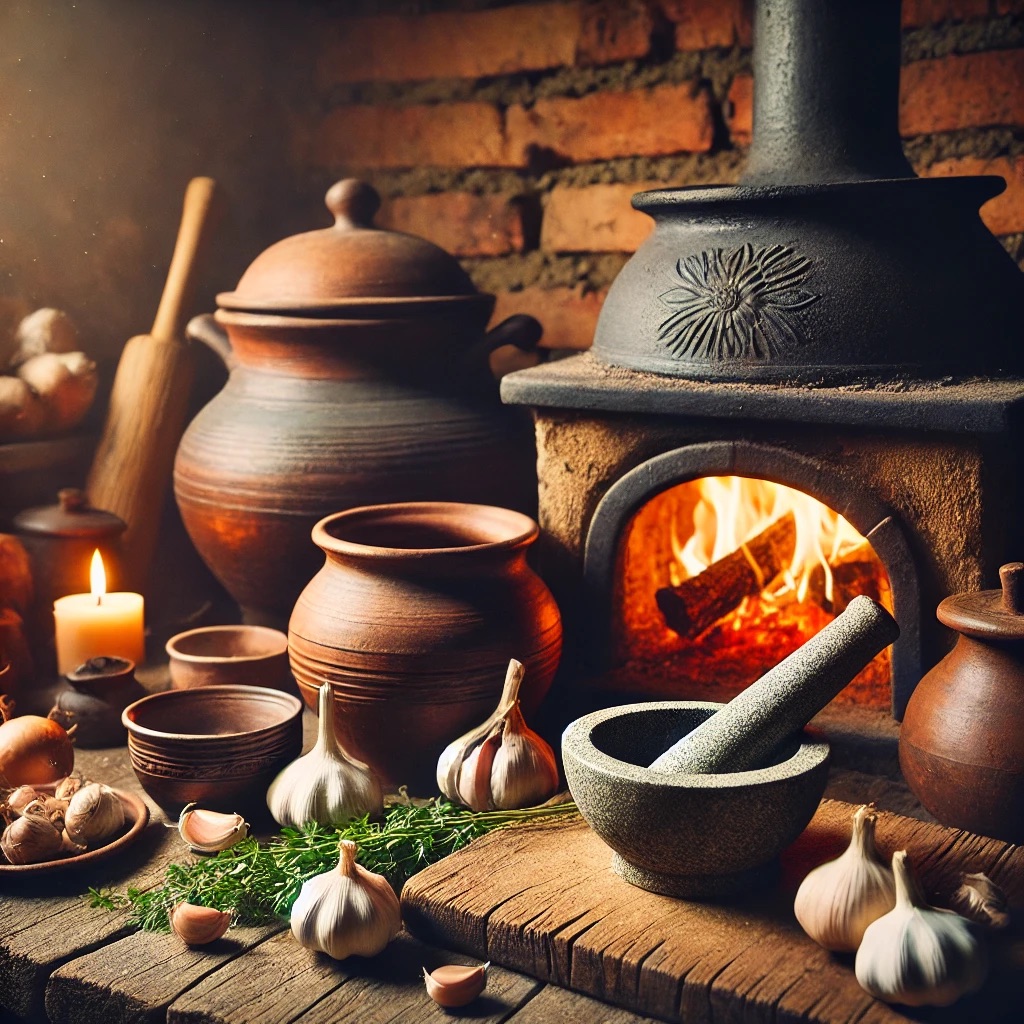
Sautéing is an essential culinary technique that brings out the natural flavors of fresh ingredients. When combined with seasonal produce, it transforms simple dishes into vibrant meals that celebrate the bounty of each season. In this guide, we will explore the benefits of using seasonal ingredients, provide tips on sautéing techniques, and offer some delicious seasonal recipes to inspire your cooking.
The Importance of Seasonal Ingredients
Using seasonal ingredients in your cooking has numerous benefits:
- Flavor: Seasonal produce is harvested at its peak ripeness, resulting in enhanced flavors that are often superior to out-of-season alternatives.
- Nutritional Value: Fruits and vegetables are typically more nutritious when they are in season, as they are picked at the right time and have not traveled long distances.
- Environmental Impact: Sourcing seasonal ingredients reduces the carbon footprint associated with transportation and helps support local farmers.
- Cost-Effectiveness: Seasonal produce is often more affordable due to its abundance and lower transportation costs.
Understanding the Seasons
To effectively incorporate seasonal ingredients into your sautéing, it’s essential to know what’s in season throughout the year:
- Spring: Asparagus, peas, radishes, artichokes, and young greens.
- Summer: Zucchini, bell peppers, tomatoes, corn, and eggplants.
- Fall: Pumpkins, sweet potatoes, Brussels sprouts, apples, and squashes.
- Winter: Root vegetables like carrots, beets, and turnips, as well as citrus fruits.
Essential Sautéing Techniques
Mastering the art of sautéing is crucial for highlighting the flavors of seasonal ingredients. Here are some key techniques:
- Heat Control: Start with medium-high heat to achieve a good sear without burning the ingredients. Adjust the heat as needed.
- Preheat Your Pan: Ensure your pan is hot before adding oil. This helps to prevent sticking and allows for proper browning.
- Use the Right Oil: Choose oils with high smoke points, such as grapeseed, canola, or avocado oil, for sautéing. Olive oil can also be used but watch the temperature closely.
- Crowding the Pan: Avoid overcrowding the pan, as this can cause steaming instead of sautéing. If you have a lot of ingredients, sauté them in batches.
- Stirring and Tossing: Keep the ingredients moving in the pan to ensure even cooking and prevent burning. Use a spatula to flip and toss them as needed.
Delicious Seasonal Sauté Recipes
Now that you understand the benefits of seasonal ingredients and the techniques for sautéing, let’s dive into some tasty recipes that showcase fresh flavors:
Spring Vegetable Sauté
Ingredients:
- 1 bunch asparagus, trimmed and cut into 2-inch pieces
- 1 cup fresh peas (or frozen peas)
- 1 cup baby spinach
- 2 tablespoons olive oil
- 2 cloves garlic, minced
- Salt and pepper to taste
Instructions:
- Heat olive oil in a large skillet over medium-high heat.
- Add garlic and sauté for 30 seconds until fragrant.
- Add asparagus and cook for 3-4 minutes, stirring occasionally.
- Add peas and cook for an additional 2 minutes.
- Stir in baby spinach and cook until wilted. Season with salt and pepper.
- Serve warm as a side dish or atop a grain bowl.
Summer Ratatouille
Ingredients:
- 1 eggplant, diced
- 2 zucchini, sliced
- 1 bell pepper, diced
- 2 cups cherry tomatoes, halved
- 1 onion, chopped
- 3 tablespoons olive oil
- 2 cloves garlic, minced
- Fresh basil for garnish
- Salt and pepper to taste
Instructions:
- In a large skillet, heat olive oil over medium heat.
- Add onion and garlic, sautéing until the onion is translucent.
- Add eggplant and cook for 5 minutes until it begins to soften.
- Add zucchini and bell pepper, cooking for an additional 5 minutes.
- Stir in cherry tomatoes and season with salt and pepper. Cook until tomatoes are softened.
- Garnish with fresh basil and serve warm.
Fall Harvest Sauté
Ingredients:
- 1 cup Brussels sprouts, halved
- 1 sweet potato, diced
- 1 apple, diced
- 2 tablespoons olive oil
- 1 teaspoon cinnamon
- Salt and pepper to taste
Instructions:
- Heat olive oil in a skillet over medium-high heat.
- Add sweet potato and cook for 5 minutes until starting to soften.
- Add Brussels sprouts, cinnamon, salt, and pepper. Cook for another 5 minutes.
- Finally, add diced apple and sauté for 3 more minutes until everything is tender.
Winter Root Vegetable Sauté
Ingredients:
- 2 carrots, sliced
- 1 parsnip, sliced
- 1 turnip, diced
- 2 tablespoons olive oil
- 1 teaspoon thyme
- Salt and pepper to taste
Instructions:
- In a skillet, heat olive oil over medium heat.
- Add carrots, parsnip, and turnip, cooking for about 10-12 minutes until tender.
- Add thyme, salt, and pepper, stirring to combine.
- Serve warm as a hearty side dish.
Conclusion
Sautéing with seasonal ingredients is a fantastic way to enjoy fresh flavors while making the most of what each season has to offer. By understanding the benefits of seasonal produce, mastering sautéing techniques, and trying out these delicious recipes, you can elevate your cooking and create meals that are as nutritious as they are flavorful. So, the next time you’re in the kitchen, remember to embrace the seasons and savor the taste of fresh ingredients!


