The art of cooking
AI CHEF Blog

The Future of Culinary Techniques: Trends in Sautéing and Sous Vide
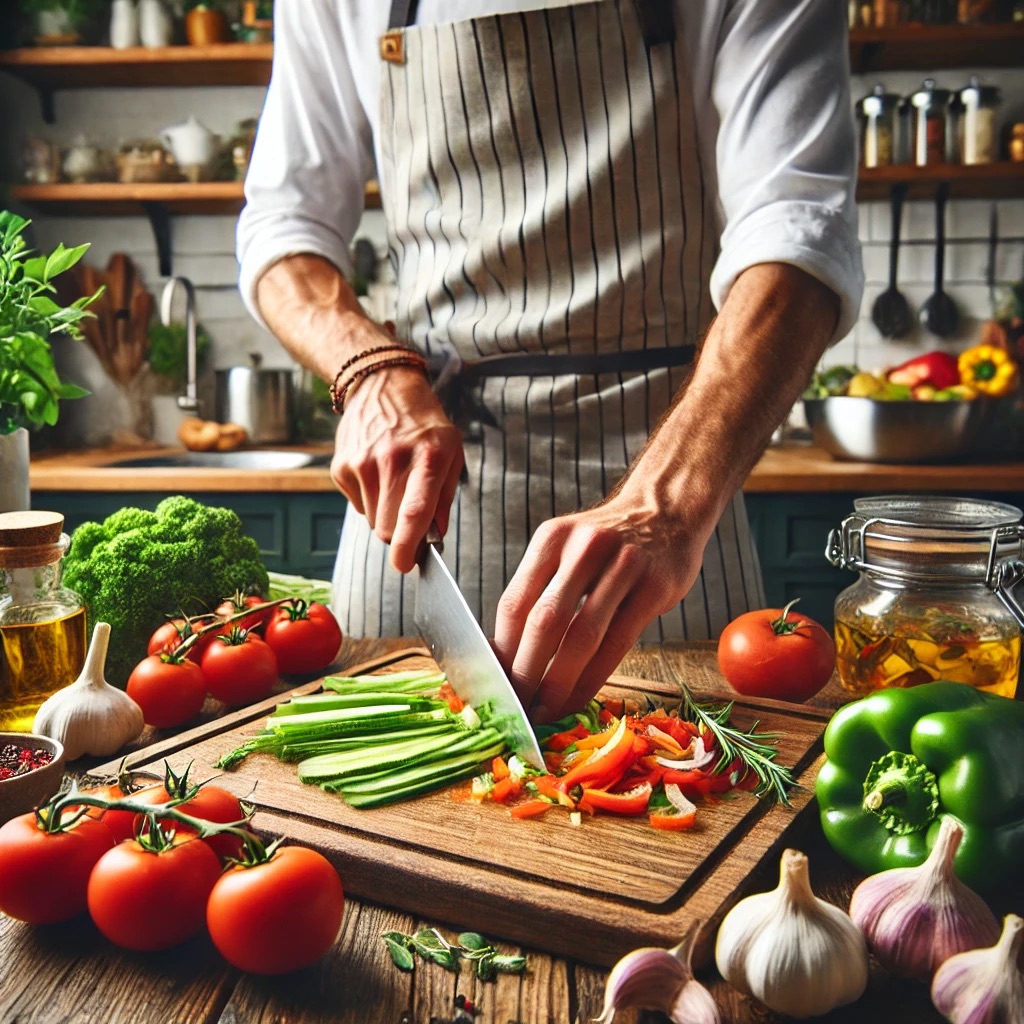
The culinary world is as dynamic as the ingredients that chefs work with. As we move further into the 21st century, culinary techniques are evolving, blending tradition with innovation. Among these techniques, sautéing and sous vide stand out, each offering unique advantages. This blog post will explore the future of these methods, highlighting emerging trends, their applications, and how they are shaping the culinary landscape.
Sautéing: A Timeless Technique with a Modern Twist
Sautéing has long been a staple in kitchens around the world. It involves cooking food quickly in a small amount of oil or fat over relatively high heat. This technique is not just about speed; it's also about flavor. The Maillard reaction, which occurs when proteins and sugars are exposed to high heat, creates complex flavors that are hard to replicate through other cooking methods.
Trends in Sautéing
- Health-Conscious Cooking: As awareness of health and nutrition increases, chefs are adapting sautéing techniques to favor healthier oils and fats, such as avocado oil and ghee. Additionally, the trend of incorporating more vegetables and plant-based ingredients into dishes is reshaping how sautéing is approached.
- Flavor Infusion: Chefs are increasingly experimenting with flavor infusions in sautéing. By using aromatic herbs, spices, and even infused oils, they are elevating simple sautéed dishes into gourmet experiences. Techniques such as macerating garlic or herbs before adding them to the pan are becoming more common.
- Fusion Cuisine: The blending of culinary traditions is leading to innovative sautéing techniques. Chefs are borrowing methods from different cultures and incorporating them into their dishes, such as using Asian-style stir-frying techniques in traditional European recipes.
Sous Vide: Precision Cooking for the Modern Chef
Sous vide, which means "under vacuum" in French, is a technique that involves sealing food in a vacuum bag and cooking it in a water bath at a precise temperature. This method has gained immense popularity in both professional kitchens and home cooking due to its ability to produce perfectly cooked meals consistently.
Emerging Trends in Sous Vide
- Accessibility of Equipment: In the past, sous vide cooking required expensive equipment. However, with the rise of affordable immersion circulators and vacuum sealers, more home cooks can experiment with this technique. The democratization of sous vide is leading to greater experimentation and innovation.
- Integration with Other Techniques: Chefs are increasingly combining sous vide with other cooking methods, such as searing or grilling, to create dishes with complex textures and flavors. For instance, a steak might be cooked sous vide to the desired doneness and then quickly seared on a hot grill for added flavor and texture.
- Flavor Pairing and Experimentation: Sous vide allows for precise control over cooking temperatures, enabling chefs to experiment with unique flavor pairings. Infusing flavors during the sous vide process is becoming a trend, with chefs using everything from spices to fruit peels to elevate their dishes.
Combining Sautéing and Sous Vide: A Culinary Revolution
The future of culinary techniques lies in the synergy between traditional methods like sautéing and modern approaches like sous vide. Chefs are beginning to see the benefits of combining these techniques, leading to a culinary revolution.
Practical Applications
- Pre-Preparation with Sous Vide: Many chefs are opting to sous vide proteins ahead of time, allowing them to achieve perfect doneness and tenderness. When it's time to serve, a quick sauté in a flavorful fat can add a crispy exterior and rich flavor, enhancing the overall dish.
- Time Management: The combination of these techniques allows for better time management in the kitchen. Sous vide cooking can be done in advance, freeing up time for chefs to focus on sautéing vegetables or preparing sauces, ultimately improving efficiency in busy restaurant settings.
- Consistency and Quality: By mastering both sautéing and sous vide, chefs can ensure consistency and quality in their dishes. Sous vide provides precision, while sautéing adds the necessary finishing touches to create memorable meals.
The Impact of Technology on Culinary Techniques
As technology continues to advance, its influence on culinary techniques cannot be overstated. Smart kitchen appliances, apps, and digital resources are revolutionizing how chefs approach cooking methods.
Digital Thermometers and Apps
Digital thermometers with Bluetooth connectivity are becoming a common tool in both professional and home kitchens. These devices allow chefs to monitor cooking temperatures in real time, ensuring that meats are cooked perfectly, whether using sous vide or sautéing.
Online Communities and Resources
The rise of online cooking communities has democratized access to culinary knowledge. Chefs and home cooks alike can share tips, techniques, and recipes that incorporate both sautéing and sous vide. This collaborative spirit fosters innovation and experimentation.
Conclusion: The Future is Bright
The future of culinary techniques like sautéing and sous vide is bright, with endless possibilities for innovation and creativity. As chefs continue to explore the synergies between these two methods, we can expect to see a fusion of flavors, textures, and techniques that will redefine our dining experiences.
Whether you are a professional chef or a home cook, embracing these trends can lead to exciting culinary adventures. So, fire up your stovetop for a quick sauté, or set your sous vide machine to work; the future of cooking is in your hands!


