The art of cooking
AI CHEF Blog

Batch Cooking: A Sustainable Approach to Reduce Kitchen Waste
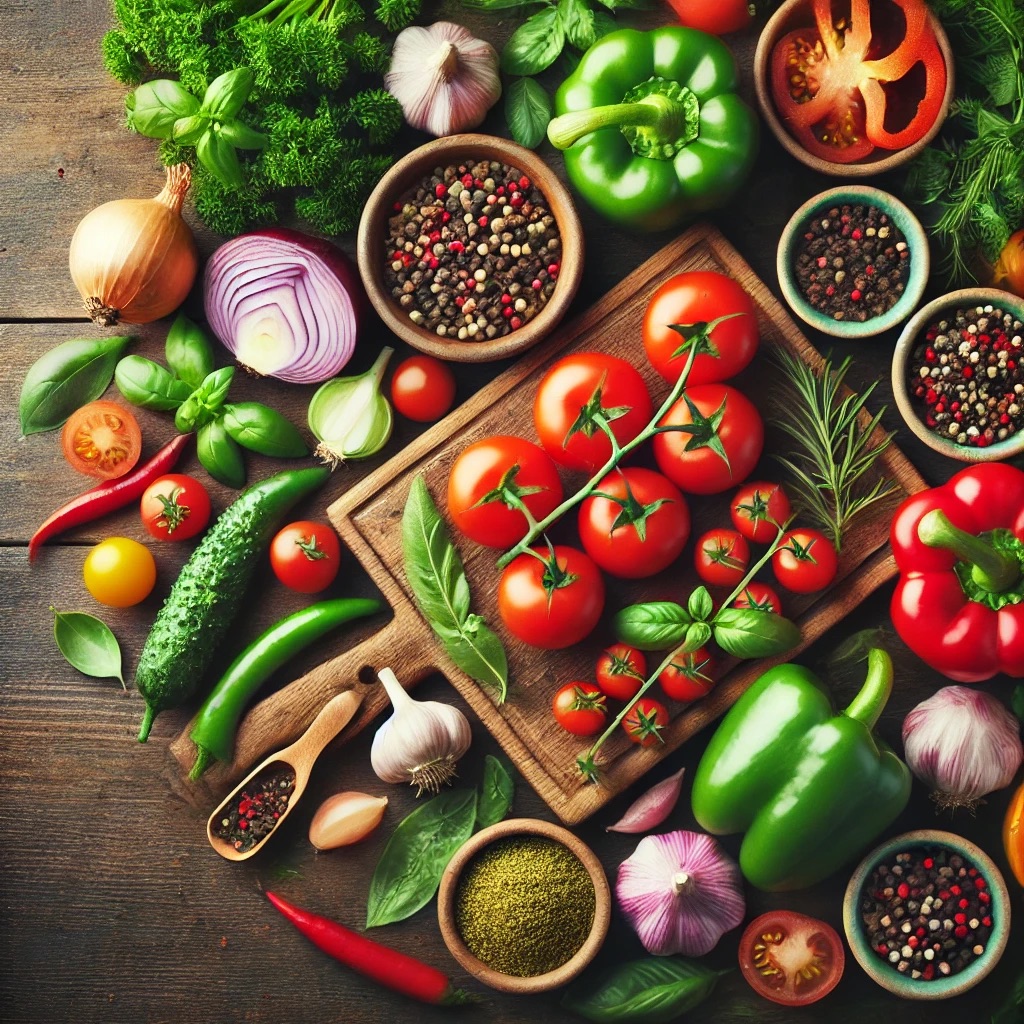
In our fast-paced world, cooking often takes a backseat to convenience. Many of us turn to pre-packaged meals and takeout, which can contribute significantly to kitchen waste. However, there's a growing movement towards batch cooking, a practice that not only saves time and money but also promotes sustainability by reducing food waste. In this blog post, we will explore the concept of batch cooking, its benefits, and practical tips for getting started.
What is Batch Cooking?
Batch cooking, also known as meal prepping, involves preparing large quantities of food at once, which can then be stored and consumed over several days or weeks. This method allows you to control portion sizes, minimize the use of perishable ingredients, and reduce the likelihood of food spoilage. By cooking in bulk, you can create a variety of meals that are ready to go, making it easier to eat well throughout the week.
The Environmental Impact of Food Waste
According to the Food and Agriculture Organization (FAO), approximately one-third of all food produced globally is wasted. This staggering statistic has severe implications for our environment. When food waste ends up in landfills, it decomposes and releases methane, a potent greenhouse gas that contributes to climate change. Moreover, the resources used to produce, transport, and package this wasted food—water, energy, labor—are also squandered.
How Batch Cooking Helps Reduce Kitchen Waste
Batch cooking directly tackles food waste in several ways:
- Portion Control: Cooking in bulk allows you to portion meals according to your needs, which helps avoid cooking too much and having leftovers that may go uneaten.
- Ingredient Utilization: When planning meals in advance, you can use ingredients that might otherwise perish before you have a chance to use them. This helps ensure that all your groceries get used up.
- Storage Solutions: Properly stored meals can last longer in the fridge or freezer, reducing the likelihood of spoilage and waste.
- Creative Cooking: Batch cooking encourages creativity in the kitchen, prompting you to use up whatever ingredients you have on hand rather than letting them go to waste.
Benefits of Batch Cooking
Beyond its positive impact on the environment, batch cooking offers numerous benefits:
- Time-Saving: Spending a few hours cooking meals for the week can save you time on busy weekdays when you might otherwise resort to unhealthy takeout options.
- Cost-Effective: Buying ingredients in bulk can reduce grocery costs, and preparing meals at home is generally cheaper than dining out.
- Healthier Eating: When you prepare your meals, you have complete control over the ingredients, allowing you to make healthier choices and avoid preservatives and additives found in many pre-packaged foods.
- Reduced Stress: Knowing that you have meals ready to go can alleviate the daily stress of deciding what to cook or eat.
Getting Started with Batch Cooking
If you're new to batch cooking, here are some practical tips to help you get started:
- Plan Your Meals: Start by planning your meals for the week. Choose recipes that can be easily scaled up and that share common ingredients to minimize waste.
- Create a Shopping List: Once you've decided on your meals, create a shopping list to ensure you have everything you need. Stick to the list to avoid impulse purchases that might lead to waste.
- Choose Storage Containers: Invest in a set of reusable storage containers. Glass or BPA-free plastic containers are great options for storing prepped meals.
- Cook in Batches: Set aside a block of time, preferably on the weekend, to cook your meals in batches. Cook grains, proteins, and vegetables simultaneously to save time.
- Label and Date: As you store your meals, label each container with the meal name and date prepared. This will help you keep track of freshness and ensure you consume meals in a timely manner.
- Freeze What You Can't Eat: If you have leftover meals that you won't be able to consume within a few days, consider freezing them for later. This extends their shelf life and prevents waste.
Recipes to Try
Here are a few batch cooking recipes to get you started:
- Vegetable Stir-Fry: Sauté a mix of your favorite vegetables and proteins. Serve over rice or quinoa for a quick meal. Make extra and freeze for later.
- Chili: A big pot of chili can be a hearty meal that only gets better with time. Make a large batch and portion it out for easy lunches or dinners.
- Overnight Oats: Prepare several jars of overnight oats with different toppings for easy breakfasts throughout the week.
Conclusion
Batch cooking is a sustainable and practical approach to reducing kitchen waste while promoting healthier eating habits. By planning, preparing, and storing meals in advance, you can save time, money, and the environment. So, why not give it a try? Not only will you enjoy the benefits of having meals ready to go, but you'll also contribute to a more sustainable food system. Let's take a step towards a greener kitchen together!


