The art of cooking
AI CHEF Blog

Knife Skills Unleashed: Techniques for Perfect Chopping, Slicing, and Dicing
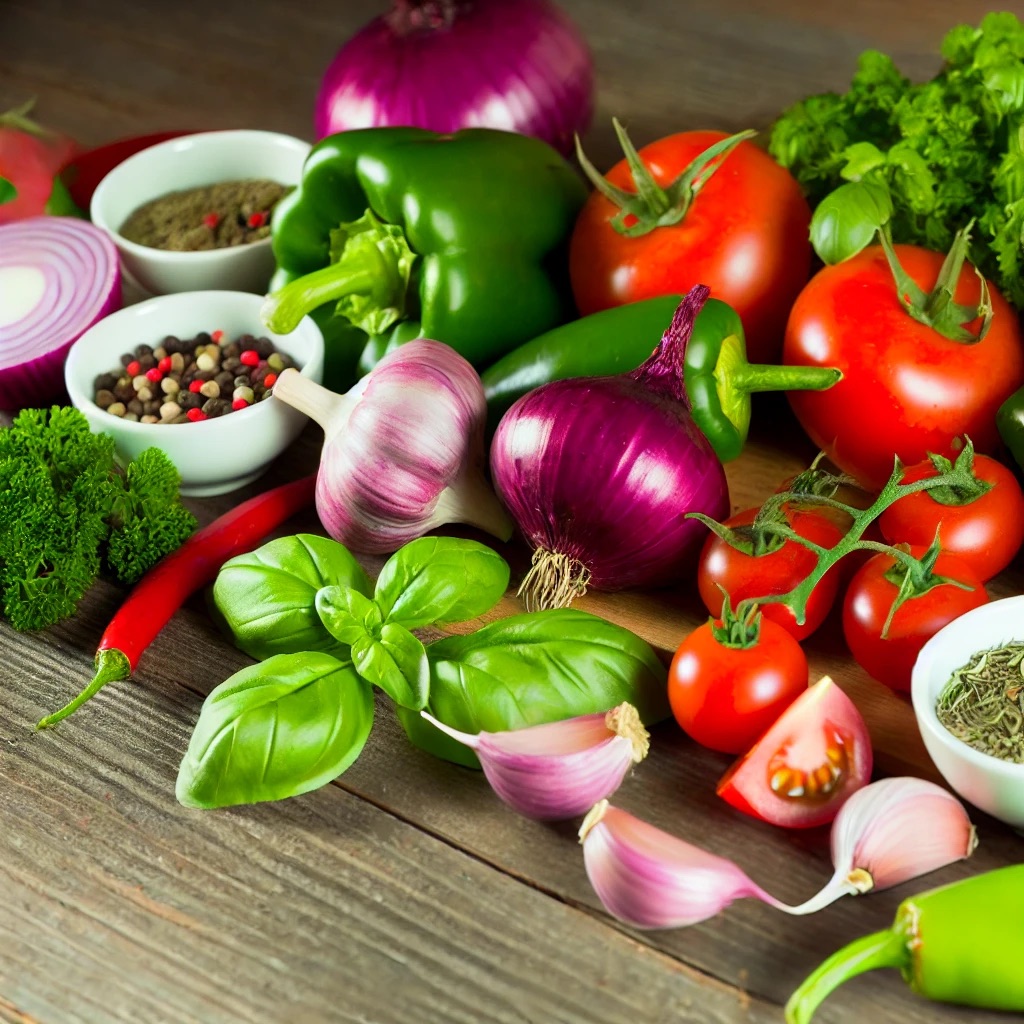
If you’ve ever watched a professional chef at work, you may have been mesmerized by their fluid and precise knife skills. The rhythmic sound of the blade hitting the cutting board is almost musical. But knife skills aren’t just for the pros; with practice and the right techniques, anyone can chop, slice, and dice like a culinary master. This guide will explore essential knife skills that will elevate your cooking and make food preparation more enjoyable.
1. Understanding Your Knives
Before diving into techniques, it’s crucial to understand the different types of knives and their uses. Here are a few essential knives to have in your kitchen:
- Chef's Knife: A versatile knife ideal for chopping, slicing, and dicing.
- Paring Knife: A small knife perfect for peeling and intricate work.
- Serrated Knife: Great for slicing bread and delicate items like tomatoes.
- Boning Knife: Used for removing bones from meat and fish.
Investing in quality knives and maintaining them properly is key to achieving the best results.
2. The Importance of Knife Safety
Safety should always be a priority when using knives. Here are some essential safety tips:
- Always use a cutting board; never cut on your countertop.
- Keep your knives sharp; dull knives are more dangerous as they require more force.
- Use the right knife for the task at hand.
- Keep your fingers tucked in and use the claw grip to hold food.
3. Chopping Techniques
Chopping is the foundation of many cooking techniques. Here’s how to do it effectively:
The Rocking Motion
The rocking motion is a classic technique used with a chef's knife. Here’s how to execute it:
- Place the tip of your knife on the cutting board.
- With a firm grip on the handle, push down and forward while rocking the knife back and forth.
- Keep the tip in contact with the board while lifting the handle up and down.
This motion allows for efficient chopping of herbs, vegetables, and more.
4. Slicing Techniques
Slicing requires precision and control. Here’s how to slice like a pro:
The Glide Technique
The glide technique is essential for creating uniform slices:
- Hold the food steady with your non-dominant hand, using the claw grip.
- Position your knife at a slight angle and use a smooth, gliding motion to slice.
- Let the knife do the work; don’t apply excessive pressure.
Practice this technique with different ingredients, such as cucumbers, meats, and cheeses.
5. Dicing Techniques
Dicing involves cutting food into uniform cubes. Here’s how to achieve perfectly diced ingredients:
The First Cuts
- Start by slicing the ingredient into planks.
- Stack the planks and cut them into strips.
- Finally, turn the strips and cut across to create cubes.
Consistency is key in dicing, so take your time to ensure even cuts.
6. Practice Makes Perfect
The best way to develop your knife skills is through consistent practice. Here are some tips to help you improve:
- Start with soft ingredients like cucumbers or cooked vegetables to build confidence.
- Set aside dedicated practice time to focus solely on your knife skills.
- Watch tutorials or attend classes to learn from professionals.
Don’t be discouraged by mistakes; every skilled chef started as a novice.
7. Cleaning and Maintaining Your Knives
Proper care will extend the life of your knives:
- Always hand wash your knives; avoid the dishwasher.
- Dry them immediately to prevent rusting.
- Regularly hone your knives using a honing steel.
- Sharpen them when necessary, either at home or professionally.
8. Conclusion
Mastering knife skills can transform your cooking experience. With the right techniques, you’ll chop, slice, and dice with confidence and precision. Remember that practice is essential, and soon you’ll be impressing your friends and family with your culinary prowess. So grab your knives, and let’s get cooking!


