The art of cooking
AI CHEF Blog

Essential Knife Skills: Mastering the Art of Chopping, Slicing, and Dicing
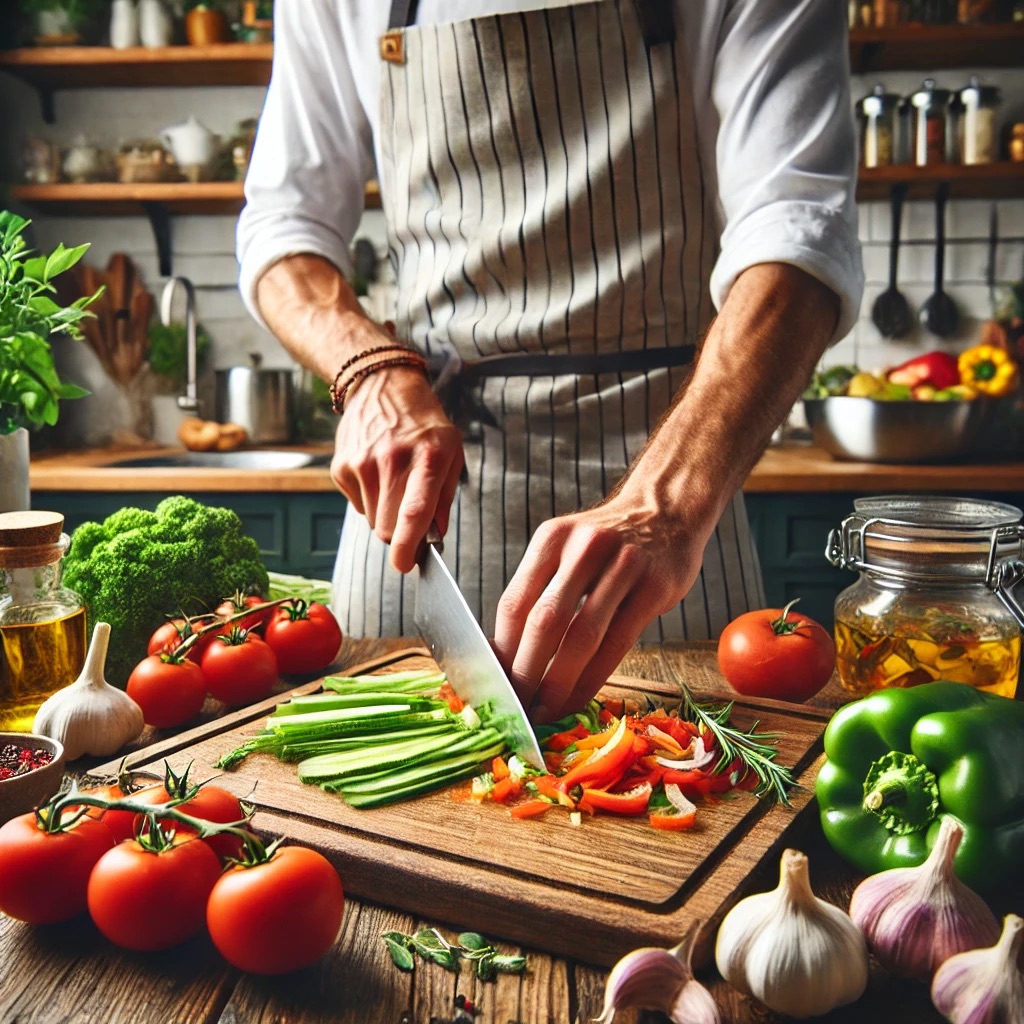
In the culinary world, a chef's most trusted tool is undoubtedly the knife. Mastering the essential knife skills of chopping, slicing, and dicing can elevate your cooking and make food preparation more efficient and enjoyable. In this blog post, we will explore the fundamentals of knife skills, the different cuts you can master, and tips to enhance your proficiency in the kitchen.
Understanding the Knife
Before diving into the techniques, it’s crucial to understand the tools you will be using. A typical kitchen knife set includes several types of knives, each designed for specific tasks:
- Chef's Knife: A versatile tool for chopping, slicing, and dicing.
- Paring Knife: Ideal for intricate tasks such as peeling and trimming.
- Serrated Knife: Best for cutting bread and soft fruits.
- Boning Knife: Designed for deboning meat and fish.
Investing in high-quality knives can significantly impact your cooking experience, making it easier and safer to prepare food.
The Importance of Knife Skills
Knife skills are not just about speed; they also contribute to consistency and presentation in your dishes. Uniform cuts ensure even cooking, while well-prepared ingredients enhance the visual appeal of your meals. Additionally, proficiency in knife skills can improve your confidence in the kitchen, allowing you to experiment and try new recipes without hesitation.
Chopping, Slicing, and Dicing: The Techniques
Now, let’s break down the three fundamental techniques:
1. Chopping
Chopping is a technique that involves cutting food into larger pieces. This method is often used for vegetables such as onions, carrots, and bell peppers. Here’s how to chop effectively:
- Prepare Your Ingredients: Wash and dry your vegetables. If you’re chopping something with a tough skin (like a butternut squash), consider peeling it first.
- Position Your Knife: Hold the knife with a firm grip, using your dominant hand. Your other hand should create a claw shape to hold the food securely while keeping your fingers tucked in.
- Chop with a Rocking Motion: Use a rocking motion, pivoting the knife on its tip while bringing the blade down onto the food. This technique allows for more control and efficiency.
- Keep Your Cuts Even: Aim for uniform size to ensure even cooking.
2. Slicing
Slicing is a technique used to cut food into thin, even pieces. This is essential for meats, bread, and some vegetables. Follow these steps for perfect slices:
- Use a Sharp Knife: A sharp knife is crucial for clean slices. Dull knives require more pressure and can lead to uneven cuts.
- Anchor Your Food: If you’re slicing meat, it’s best to let it rest first. For vegetables, make sure they are stable on the cutting board.
- Slice with Long, Even Strokes: Start at the tip of the knife and use long, smooth strokes to cut through the food. This creates thin, uniform slices.
- Cut Against the Grain: For meats, always slice against the grain to ensure tenderness.
3. Dicing
Dicing involves cutting food into small, uniform cubes, making it ideal for stews, soups, and salads. Here’s how to dice:
- Start with a Chop: Begin by chopping your ingredient into thin slices.
- Stack and Cut: Stack the slices and cut them into strips. Then, turn the strips and cut across them to create cubes.
- Focus on Uniformity: Aim for uniform size for even cooking and presentation.
Safety First: Knife Handling Tips
While honing your knife skills, it’s essential to prioritize safety in the kitchen. Here are some tips to keep in mind:
- Use a Cutting Board: Always use a sturdy cutting board to provide a stable surface for cutting.
- Keep Knives Sharp: A sharp knife is safer than a dull one, as it requires less force and is less likely to slip.
- Pay Attention: Focus on your cutting technique and avoid distractions to prevent accidents.
- Store Knives Properly: Use a knife block or magnetic strip to store knives safely.
Practicing Your Skills
Becoming proficient in knife skills takes practice. Here are a few exercises to help you improve:
- Practice with Different Ingredients: Use various fruits and vegetables to familiarize yourself with different textures and cutting techniques.
- Set a Timer: Challenge yourself to chop, slice, or dice within a certain time frame to build speed without sacrificing safety.
- Watch Tutorials: There are numerous online resources and videos demonstrating proper techniques. Learning visually can enhance your understanding.
Conclusion
Mastering essential knife skills is a vital step in your culinary journey. By practicing chopping, slicing, and dicing, you will not only improve your efficiency in the kitchen but also elevate the quality of your dishes. Remember, the key to becoming a skilled cook is consistent practice and a commitment to safety. So grab your knives, head to the kitchen, and start honing your skills today!


