The art of cooking
AI CHEF Blog

Chop, Slice, Dice: A Culinary Journey into Knife Skills
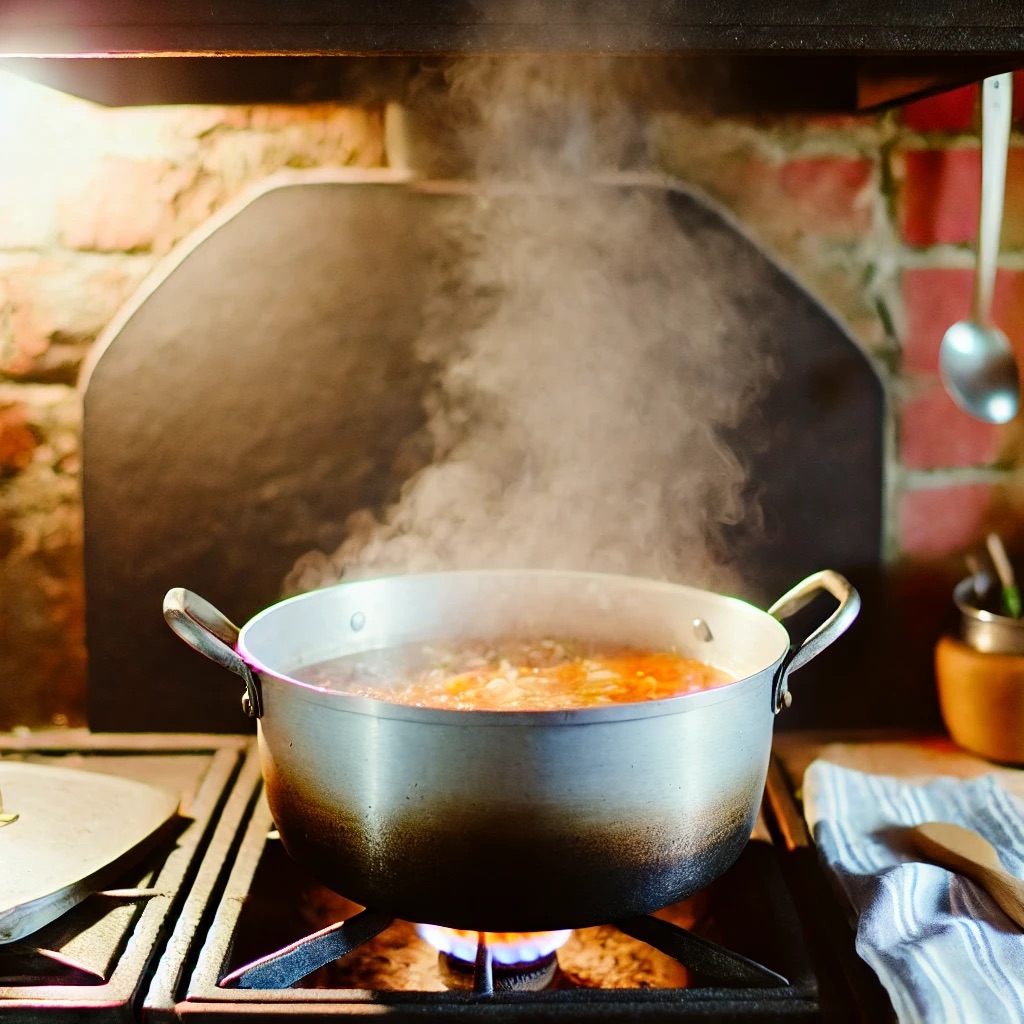
Welcome to the fascinating world of knife skills, where the right cut can elevate your culinary creations from ordinary to extraordinary. Whether you are a novice in the kitchen or a seasoned chef, mastering the art of chopping, slicing, and dicing is essential for efficiency, presentation, and flavor enhancement in cooking. In this blog post, we will explore different knife techniques, the types of knives you should have in your kitchen, and tips to improve your knife skills.
The Importance of Knife Skills
Knife skills are fundamental in any cooking practice. They not only enhance the aesthetics of your dishes but also ensure even cooking and better flavor integration. For instance, when vegetables are cut uniformly, they cook at the same rate, preventing some from being overcooked while others remain raw. Additionally, the way you cut ingredients can affect their texture and moisture content, which can dramatically impact the final dish.
Essential Kitchen Knives
Before diving into specific techniques, it’s crucial to understand the tools you will be using. Here are some essential knives every home cook should have:
- Chef’s Knife: The workhorse of the kitchen, a chef’s knife is versatile and can be used for chopping, slicing, and dicing.
- Paring Knife: A small knife perfect for intricate cuts and peeling fruits and vegetables.
- Serrated Knife: Ideal for cutting through bread and soft fruits without squashing them.
- Boning Knife: A flexible knife designed for deboning meat and fish.
- Utility Knife: A mid-sized knife that bridges the gap between a chef’s knife and a paring knife, great for various tasks.
Basic Knife Techniques
Now that you have your knives, let’s explore some fundamental techniques:
Chopping
Chopping is one of the most common knife techniques and involves cutting food into small, uniform pieces. Here’s how to chop effectively:
- Use a stable cutting board to provide a firm surface.
- Grip the chef’s knife with your dominant hand, ensuring the blade is aligned with the food.
- Place your non-dominant hand on top of the food, curling your fingers under to protect them.
- With a rocking motion, bring the knife down onto the food, using the tip as a pivot point.
- Continue chopping until you achieve the desired size.
Slicing
Slicing is ideal for cutting food into thin, even pieces. This technique is common for meats, cheeses, and vegetables:
- Ensure your knife is sharp; a dull knife can crush food instead of slicing it.
- Position the food securely on the cutting board.
- Hold the knife at a slight angle and use long, smooth strokes, allowing the blade to do the work.
Dicing
Dicing involves cutting food into small cubes, perfect for recipes where even cooking is essential:
- Start by chopping the food into even slices.
- Stack the slices and cut them into strips.
- Finally, rotate the strips and cut across them to create cubes.
Tips for Improving Your Knife Skills
Here are some valuable tips to enhance your knife skills:
- Practice Regularly: Like any skill, the more you practice, the better you will become.
- Keep Your Knives Sharp: A sharp knife is safer and more effective than a dull one.
- Use the Right Knife for the Task: Each knife has its purpose; using the right one will make your job easier.
- Watch Tutorials: Many skilled chefs share their techniques online; watching their methods can provide valuable insights.
- Stay Focused and Relaxed: Tension can lead to mistakes. Take your time and enjoy the process.
Knife Safety
Safety in the kitchen is paramount. Here are some tips to ensure you handle knives safely:
- Always cut away from your body.
- Keep your fingers curled under your non-dominant hand.
- Store knives properly in a knife block or magnetic strip.
- Never try to catch a falling knife.
Conclusion
Understanding and mastering knife skills is an essential part of becoming a proficient cook. With practice and patience, you can chop, slice, and dice your way to culinary success. So grab your knives, get in the kitchen, and let your culinary journey begin!


