The art of cooking
AI CHEF Blog

Chop, Slice, Dice: Essential Knife Skills Every Home Cook Should Know
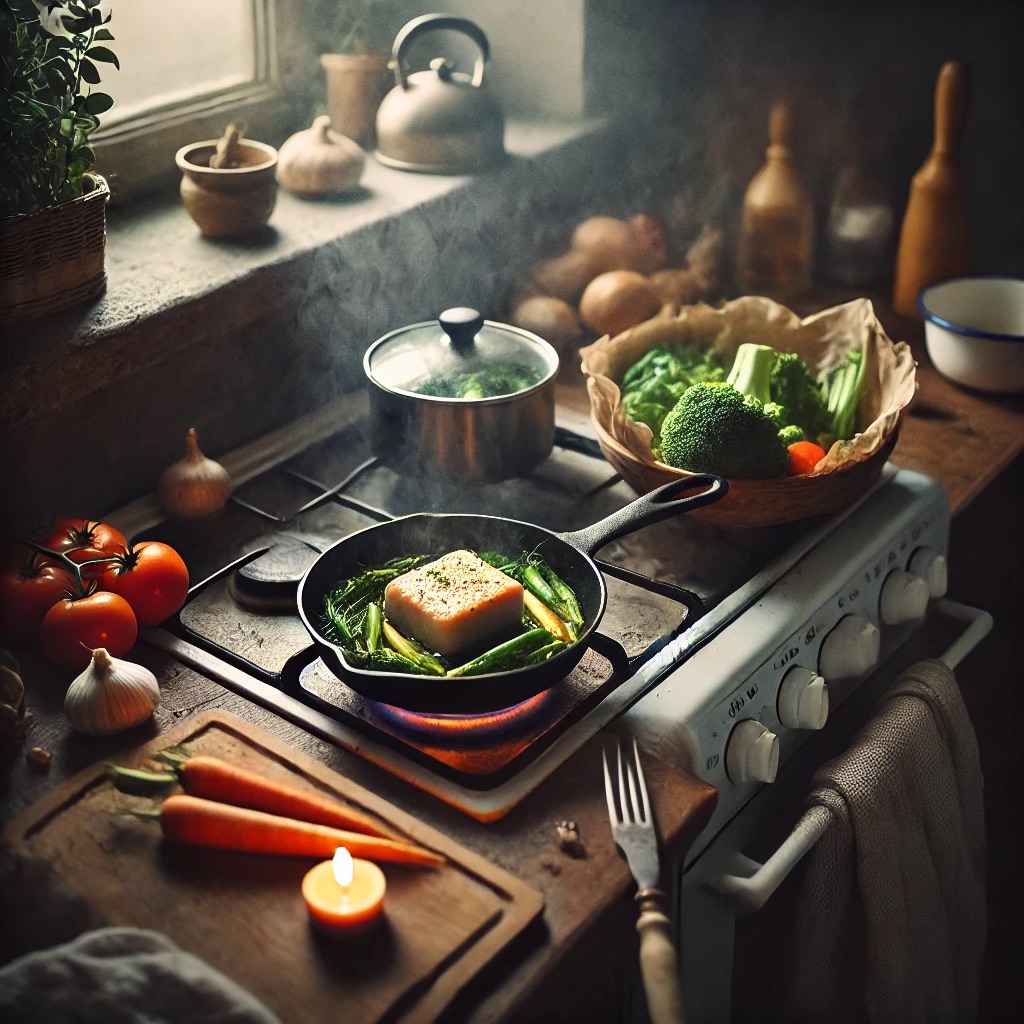
In the world of cooking, knife skills are an essential part of the craft. Whether you're a novice in the kitchen or a seasoned home chef, mastering basic knife techniques can elevate your culinary game. Knowing how to chop, slice, and dice not only improves the presentation of your dishes but also ensures even cooking and enhances flavors. In this blog post, we’ll explore these essential knife skills, provide step-by-step guidance, and offer tips to help you become more confident in your kitchen.
Understanding Your Knives
Before diving into specific cutting techniques, it’s crucial to understand the different types of knives you’ll be using:
- Chef's Knife: The most versatile knife in your kitchen, typically 8 to 10 inches long, used for chopping, slicing, and dicing.
- Paring Knife: A small knife, usually 3 to 4 inches long, perfect for peeling and intricate work.
- Serated Knife: Best for cutting bread and tomatoes, it has a saw-like edge that grips the surface.
- Boning Knife: A thin, flexible knife used for filleting fish and removing bones from meat.
- Cleaver: A heavy knife used for chopping through bone and meat.
Having the right knife for the task makes a significant difference, so invest in a good quality chef's knife as your primary tool.
Knife Safety: The First Step
Before you start chopping, slicing, or dicing, it’s essential to prioritize safety:
- Always use a cutting board. This protects your countertops and keeps your knife from dulling.
- Keep your knives sharp. A dull knife can slip and cause accidents.
- Use the correct grip. Hold the handle firmly with your dominant hand, and curl your fingers of the other hand into a claw shape to guide the food.
- Cut away from your body. This reduces the risk of injury if your knife slips.
Chopping: The Foundation of Knife Skills
Chopping is a fundamental technique that involves cutting food into small, uniform pieces. Here’s how to do it:
- Prepare your ingredients: Wash and peel vegetables as necessary. Cut them into manageable pieces.
- Position the knife: Hold the chef's knife with your dominant hand, ensuring a firm grip on the handle.
- Use the claw grip: With your other hand, curl your fingertips under and place your knuckles against the blade for guidance.
- Rock the knife: Start chopping by rocking the blade up and down while moving it forward and back. This motion creates small, even pieces.
Common ingredients to chop include onions, carrots, and herbs. Practice makes perfect, so don’t hesitate to chop various vegetables to build your confidence.
Slicing: Creating Thin, Even Cuts
Slicing is used for cutting food into thin pieces, often applied to meats, fruits, and vegetables. Here’s how to slice properly:
- Choose your ingredient: Slicing works well with items like tomatoes, cucumbers, or cooked meats.
- Stabilize the food: If necessary, cut a small slice off one side of the food item to create a flat surface. This prevents it from rolling.
- Hold the knife at an angle: Keep the knife at a slight angle as you slice. This helps achieve thin, even cuts.
- Use a gentle sawing motion: For softer items, use a gentle sawing motion, while firmer items may require more pressure.
Practice slicing different ingredients, focusing on creating even cuts for an aesthetically pleasing presentation.
Dicing: Uniform Cubes for Even Cooking
Dicing involves cutting food into small cubes, ideal for soups, stews, and salads. Here’s how to dice effectively:
- Choose your ingredient: Vegetables like bell peppers, onions, and potatoes are excellent for dicing.
- Chop into strips: Start by chopping your ingredient into strips of even thickness.
- Turn and slice: Rotate the strips 90 degrees and cut across them to create cubes.
- Practice uniformity: Aim for uniform sizes so that everything cooks evenly.
Consistent dicing enhances the texture of your dishes, making them more enjoyable to eat.
Advanced Techniques: Mincing and Julienne
Once you’ve mastered the basics, you can explore more advanced techniques like mincing and julienne:
Mincing
Mincing is a technique used to chop food into very small pieces, typically for garlic or herbs.
- Gather your ingredients: Use garlic cloves, herbs, or ginger.
- Chop coarsely first: Begin by chopping the ingredient into small pieces.
- Rock the knife: Use the rocking motion to continue chopping until you achieve your desired size.
Julienne
Julienne is a cutting technique that creates thin matchstick-shaped pieces, often used for vegetables like carrots and zucchini.
- Start with a rectangular shape: Cut the ingredient into a rectangular shape to make it easier to julienne.
- Slice into thin strips: Cut the rectangle into thin strips, aiming for uniformity.
- Cut into matchsticks: If desired, you can further cut the strips into matchsticks.
Knife Maintenance: Keeping Your Tools Sharp
Maintaining your knives is essential for safety and performance. Here are some tips to keep your knives in top shape:
- Sharpen regularly: Use a whetstone or honing steel to keep your knives sharp. A sharp knife is safer and more effective.
- Wash by hand: Avoid putting knives in the dishwasher; hand wash them with mild soap and dry immediately.
- Store properly: Use a knife block, magnetic strip, or sheaths to protect the blades and prevent accidents.
Conclusion
Mastering basic knife skills such as chopping, slicing, and dicing opens up a world of culinary possibilities. Not only will these techniques improve your cooking, but they will also enhance your enjoyment in the kitchen. Remember, practice is key, so don’t hesitate to spend time honing your skills. With patience and persistence, you’ll become a more confident home cook, ready to tackle any recipe that comes your way!


