The art of cooking
AI CHEF Blog

Plant-Based Cooking 101: A Beginner’s Guide to Vegan Recipes
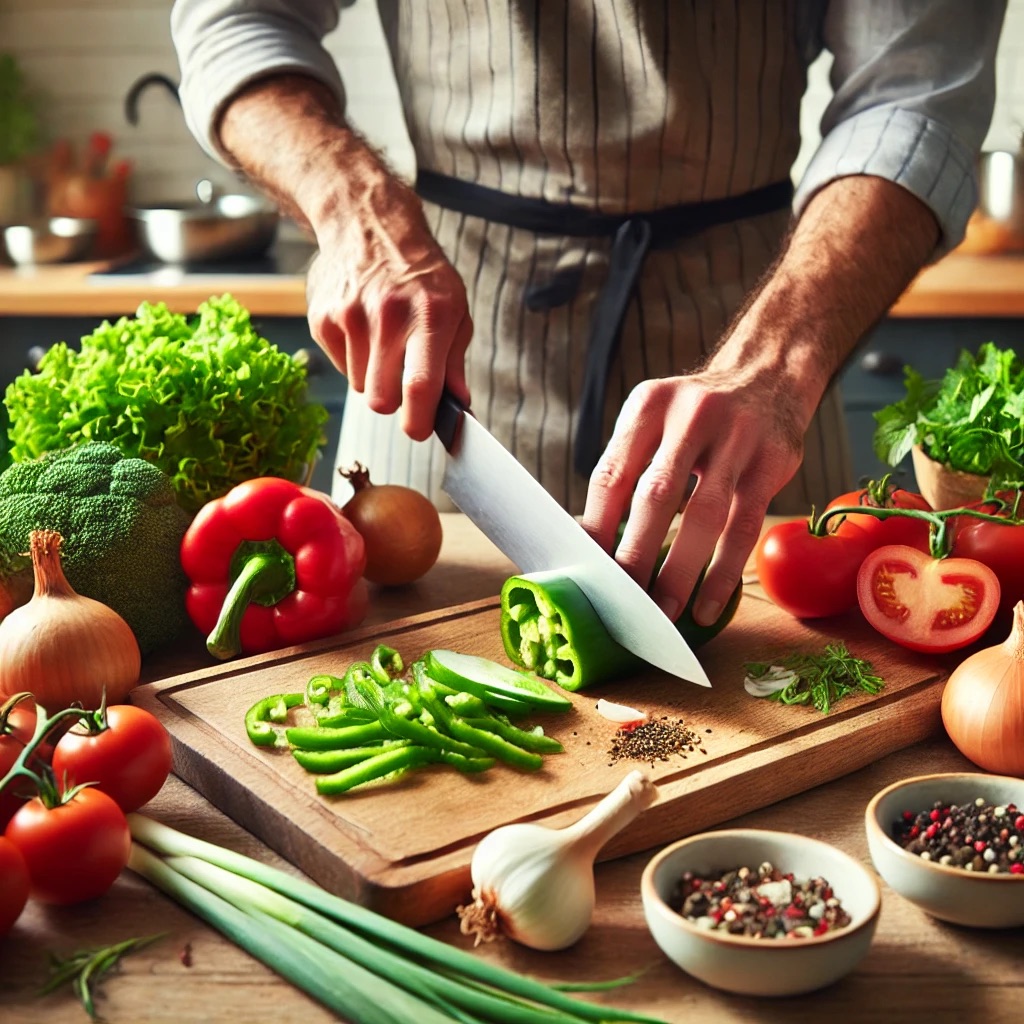
Welcome to the world of plant-based cooking! Whether you’re considering a full shift to veganism or simply want to incorporate more plant-based meals into your diet, this guide is designed for you. We’ll cover the essentials of vegan cooking, the benefits of a plant-based diet, and share some delicious beginner-friendly recipes.
Why Choose Plant-Based Cooking?
There are countless reasons to embrace plant-based cooking. Here are just a few:
- Health Benefits: A plant-based diet is rich in vitamins, minerals, and antioxidants, which can help reduce the risk of chronic diseases.
- Environmental Impact: Eating plants has a lower ecological footprint compared to a diet heavy in animal products.
- Animal Welfare: Many choose a vegan lifestyle to stand against animal cruelty and factory farming.
- Culinary Exploration: Plant-based cooking encourages creativity and experimentation in the kitchen.
Essential Ingredients for Your Vegan Kitchen
To get started, it's important to stock your kitchen with some key ingredients that will make vegan cooking easier and more enjoyable. Here are some essentials:
- Whole Grains: Quinoa, brown rice, oats, and whole grain pasta are excellent staples.
- Legumes: Beans, lentils, and chickpeas provide protein and fiber.
- Nuts and Seeds: Almonds, walnuts, chia seeds, and flaxseeds are great for snacking and adding to recipes.
- Fruits and Vegetables: Fresh, frozen, or canned – a variety of colorful fruits and veggies will add flavor and nutrition.
- Plant-Based Milk: Almond, soy, oat, and coconut milk are great alternatives to dairy milk.
- Herbs and Spices: Fresh herbs and a variety of spices will enhance the flavors of your dishes.
Basic Cooking Techniques for Beginners
Embracing plant-based cooking means getting familiar with some basic cooking techniques. Here are a few you’ll encounter:
- Chopping and Slicing: Efficient knife skills will save you time in the kitchen.
- Sautéing: A quick cooking method for vegetables that keeps them crisp and flavorful.
- Roasting: Roasting vegetables brings out their natural sweetness and enhances their flavor.
- Blending: Perfect for smoothies, soups, and sauces.
- Cooking Grains: Mastering the art of cooking grains will open up a variety of meal options.
Simple Vegan Recipes to Get You Started
Now that you’re stocked up and ready to cook, let’s dive into some simple vegan recipes that are perfect for beginners.
1. Vegan Stir-Fry
This quick and easy stir-fry is a great way to incorporate a variety of vegetables into your meal. Here’s what you need:
- 2 cups of mixed vegetables (bell peppers, broccoli, carrots, snap peas)
- 1 tablespoon of olive oil
- 2 cloves of garlic, minced
- 2 tablespoons of soy sauce or tamari
- Cooked rice or quinoa
Instructions:
- Heat olive oil in a pan over medium heat.
- Add garlic and sauté for 30 seconds.
- Add mixed vegetables and stir-fry for 5-7 minutes until tender.
- Stir in soy sauce and cook for another minute.
- Serve over cooked rice or quinoa.
2. Chickpea Salad
This protein-packed salad is refreshing and perfect for lunch or a light dinner.
- 1 can of chickpeas, drained and rinsed
- 1 cucumber, diced
- 1 bell pepper, diced
- 1/4 red onion, finely chopped
- 2 tablespoons of olive oil
- Juice of 1 lemon
- Salt and pepper to taste
Instructions:
- In a bowl, combine chickpeas, cucumber, bell pepper, and red onion.
- In a separate bowl, whisk together olive oil, lemon juice, salt, and pepper.
- Pour the dressing over the salad and toss to combine.
3. Simple Vegan Pasta
Pasta is a versatile dish that can be made vegan with just a few tweaks. Here’s a simple recipe:
- 8 oz. of whole grain pasta
- 2 cups of spinach
- 1 cup of cherry tomatoes, halved
- 2 cloves of garlic, minced
- 1 tablespoon of olive oil
- Salt and pepper to taste
Instructions:
- Cook pasta according to package instructions.
- In a pan, heat olive oil and sauté garlic for 30 seconds.
- Add spinach and cherry tomatoes, cooking until spinach wilts.
- Drain pasta and add to the pan, tossing everything together.
- Season with salt and pepper before serving.
Tips for Successful Plant-Based Cooking
As you embark on your plant-based cooking journey, here are some helpful tips to keep in mind:
- Experiment: Don't be afraid to try new recipes or substitute ingredients based on what you have on hand.
- Meal Prep: Preparing meals in advance can save time during busy weeks and help you stick to your plant-based goals.
- Stay Inspired: Follow vegan food blogs, watch cooking shows, and experiment with international cuisines.
- Connect with Others: Join local vegan groups or online communities to share recipes and tips.
Conclusion
Plant-based cooking can be a rewarding and enjoyable experience. With the right ingredients, techniques, and recipes, you can create delicious meals that nourish your body and satisfy your taste buds. Start small, explore, and most importantly, have fun with your cooking journey!


