The art of cooking
AI CHEF Blog

Gourmet Cooking Techniques to Boost Your Confidence in the Kitchen
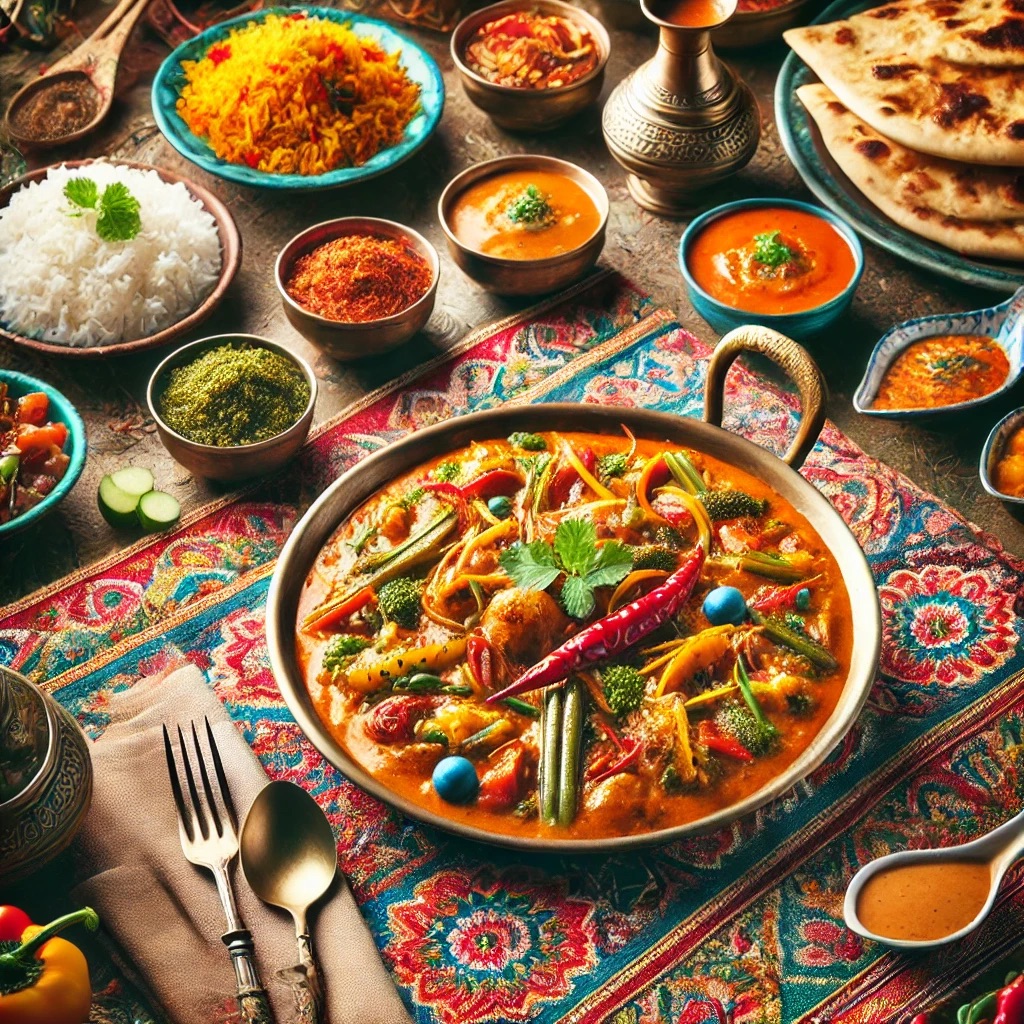
Cooking is an art that many aspire to master, yet it can often feel intimidating. The thought of preparing gourmet meals may conjure images of professional chefs and complicated recipes, but with the right techniques, anyone can elevate their culinary skills and confidence in the kitchen. In this blog post, we will explore various gourmet cooking techniques that are accessible and will help you become more proficient and self-assured.
1. Mastering Knife Skills
One of the fundamental skills every aspiring gourmet chef should develop is knife skills. Properly handling a knife not only enhances your efficiency in the kitchen but also ensures safety. Here are some essential tips:
- Choose the Right Knife: Invest in a good quality chef's knife. This versatile tool will be your best friend in the kitchen.
- Practice Basic Cuts: Learn to perform basic cuts like julienne, dice, and chiffonade. These skills will help you prepare ingredients uniformly, which is crucial for even cooking.
- Keep Your Knives Sharp: A sharp knife is safer and more effective than a dull one. Invest in a good sharpening tool and maintain your knives regularly.
2. Understanding Flavor Profiles
Creating gourmet dishes requires an understanding of flavor profiles. Knowing how to balance flavors—sweet, salty, sour, bitter, and umami—can take your cooking to the next level. Here’s how to explore and combine flavors:
- Experiment with Herbs and Spices: Fresh herbs and spices are the foundation of flavor in gourmet cooking. Learn to use them in different combinations to find what works for you.
- Know Your Ingredients: Familiarize yourself with the taste of various ingredients. This knowledge will help you make informed decisions when seasoning your dishes.
- Use Acid to Brighten Flavors: A splash of vinegar or a squeeze of lemon juice can elevate a dish, cutting through richness and enhancing overall flavor.
3. Mastering Cooking Techniques
Understanding different cooking techniques is crucial for creating gourmet meals. Here are some techniques you should master:
- Sautéing: This method involves cooking food quickly in a small amount of oil over high heat. It’s ideal for vegetables and proteins, preserving their flavors and textures.
- Poaching: Poaching is a gentle cooking method that involves simmering food in liquid. This technique is perfect for delicate proteins like fish and eggs.
- Roasting: Roasting brings out the natural sweetness of vegetables and enhances the flavor of meats. Use high heat to achieve a beautiful caramelization.
- Emulsifying: Mastering emulsification techniques can help you create rich sauces, such as hollandaise or vinaigrettes. Understanding how to combine oil and water-based ingredients is key.
4. Plating Like a Pro
Presentation plays a significant role in gourmet cooking. An aesthetically pleasing dish can enhance the dining experience. Here are some plating tips:
- Use the Right Plate: Choose plates that complement the colors and textures of your food. White plates often work well to showcase vibrant dishes.
- Think in Layers: Create height and dimension by stacking ingredients or using sauces as a base. This adds visual interest to your plate.
- Garnish Wisely: A well-placed garnish can elevate your dish. Use herbs, microgreens, or edible flowers to add a pop of color and freshness.
5. Learning the Art of Sauces
Sauces are the backbone of gourmet cooking. They can transform a simple dish into something extraordinary. Here are some classic sauces to master:
- Béarnaise: A rich sauce made with egg yolks, butter, and flavored with tarragon.
- Tomato Sauce: A foundational sauce that can be used in various dishes, from pasta to braises.
- Vinaigrette: A simple yet versatile sauce made by emulsifying oil and vinegar, perfect for salads and marinades.
6. Experimenting with Cooking Techniques
Don't be afraid to experiment with new cooking techniques. Trying new methods will expand your culinary repertoire and build your confidence. Consider these techniques:
- Sous Vide: This modern cooking technique involves vacuum-sealing food and cooking it at precise temperatures in a water bath, resulting in perfectly cooked dishes.
- Fermentation: Experimenting with fermentation can add depth and complexity to your dishes. Try pickling vegetables or making your own kimchi.
- Smoking: Adding a smoky flavor to meats and vegetables can enhance their taste. Use a stovetop smoker or a smoking gun to experiment.
7. Practice, Patience, and Perseverance
Building confidence in the kitchen takes time and practice. Don’t be discouraged by mistakes; they are part of the learning process. Here are some tips to help you on your journey:
- Cook Regularly: The more you cook, the more comfortable you will become with various techniques and ingredients.
- Seek Feedback: Don’t hesitate to ask friends or family for their honest opinions on your dishes. Constructive feedback can help you improve.
- Keep Learning: Take cooking classes, watch tutorials, and read cookbooks to continually expand your knowledge and skills.
Conclusion
Gourmet cooking is not just for professionals; anyone can become a confident and skilled cook with the right techniques and a willingness to learn. By mastering knife skills, understanding flavor profiles, and experimenting with various cooking methods, you can elevate your home cooking to gourmet levels. Remember, practice makes perfect, and every dish is an opportunity to learn. So roll up your sleeves, unleash your creativity, and enjoy the journey of becoming a gourmet chef in your own kitchen!


